
Leave Your Message
The Ziplock Bag has recently changed the landscape of storage and packaging in different industries over the years. From food preservation to organization in medical settings, these resealable bags not only guarantee a reliable seal but also come in various sizes and styles for different diverse facilitates. With a high degree of efficiency in packaging and storage applications, Rizhao Wanjia International SCM Co., Ltd. prides itself in a broad spectrum of Plastic Bags, including Ziplock Bags, as they relate to their various application demands. This is how Rizhao Wanjia International SCM Co., Ltd. has made their credence of quality and innovation to be in line with the ever-increasing dynamic demands of the market.
As features and applications of Ziplock Bags are being laid out, one would comprehend that these are so much of daily life and industrial application types. User-friendly design helps increase efficiencies whether it's a household use or commercial use; hence, his makes them ubiquitous in such diverse sectors as food services, health care, and retail. It is when learning about all of the different uses of Ziplock Bags that we learn the value of along with their really amazing practical contributions to save the ecology, since many of our products are made to cut down on waste while bringing convenient applications. Find out with us, then, what kind of unending possibilities these bags offer and how Rizhao Wanjia International SCM Co., Ltd. keeps advancing that major market.

Being very flexible in their multiple purposes for various industries, Ziplock bags, which are a kind of plastic bag that is resealable, are designed to form an airtight seal that preserves the freshness for food storage-making it a common need for households and commercial kitchens alike. The increase in demand for Food Storage Bags by retail and packaging sectors has fueled the growth of this market. Hence, there is an increased recognition of convenience and utility in these bags.
About the other uses for Ziplock bags, there are other applications in the pharmaceutical and electronics industries where protection and sealing environments are of utmost importance. Moreover, the trend in the polybags market is towards more niche products such as flat, gusseted types, indicating the need for creative solutions in packaging. As industries adopt these flexible bags, their contribution to product safeguarding and shelf-life extension retains aggrandizement.
In any home or industry setting, ziplock bags are indispensable and consist mainly of polyethylene and polypropylene, very durable materials with great flexibility. Extrusion and sealing techniques give rise to the usual manufacture of bags to create a hermetic seal that retains the freshness and security of the content being stored. Truly, this simple and flexible design has diversified the packaging and keeping of just about anything from food to drugs.
The increasing consumption of food storage showcases the growth of the global market of these bags. As consumers become increasingly aware of food waste, the demand for dependable storage alternatives that can keep content from spoiling becomes paramount. Different varieties of ziplock bags, such as flat and gusseted styles, lend themselves to multitudes of applications, providing diversity across multiple industries, including retail and packaging. With liveliness and effectiveness behind their use, ziplock bags will always remain a vital aspect of our daily storage requirements.
Ziplock bags have gained special status in various sectors due to durable qualities in consideration of versatility. The basic concept in the design of these bags enables them to resist tearing and puncturing and therefore can be used for packing different types of products—ranging from food items to electronics. Providing an airtight seal means contents stay fresh and protected; this feature particularly matters in the food storage arena, where demands for reliable packing solutions continue to rise.
Basically, though, versatility is truly in greater depth, ranging from polyethylene to polypropylene depending on specific requirements set by any industry. The coming-up of different types of products, including flat and gusseted ziplock bags, enhances their application for all uses-from bulk storage to single serving. As many companies are now changing to trends of sustainability and consumer preferences, the constant remains a key choice for any effective and efficient packaging solution.
With ziplock bags, you will get an efficient, convenient, and much-needed tool for food preservation in different cooking environments. These bags keep almost anything sealed tight and offer lots of airlock protection, which improves freshness and extends the life of both raw ingredients and cooked meals. It's a great additional feature for people who want to prevent waste from occurring in the household, as it even helps store leftovers and bulk purchases.
The market continues to boom with fast-rising development in demand for food storage bags; people are beginning to appreciate the importance of quality packaging in retaining freshness. As health-conscious needs drive this demand, industries tend to adapt really quickly by innovating materials and designs that are eco-friendly and special closure types. This is how Ziplock bags define themselves in a sense that they don't just store food but also meet the constantly changing needs of the modern diner.

Medical and pharmaceutical industries find Ziplock bags to play a very big role in a useful manner for safe packaging and storage. The airtight seal provided by the Ziplock bag contra-acts contamination and protects the material and thereby preserves the integrity of drugs and medical supplies. The versatile use of Ziplock bags also assures easy labeling and sorting-out, which is extremely critical in an area where accuracy and organization are paramount.
While food storage bags have plenty of applications that highlight current trends in global retail and packaging, recently, these are slowly making a kind of demand. Due to fast consumer awareness on food safety and sustainability, the multipurpose design of Ziplock bags makes real sense. A reliable means of keeping food items fresh will soon proclaim these bags to be irreplaceable on a variety of platforms, thereby enhancing the status of Ziplock in both general and application-oriented use.
With their many uses, Ziplock bags have become an essential input in today's world of home organization and storage. They can pack, store, sort, and organize food and even play hosts to small objects around the house. With the push toward increasing efficiency and cleanliness, these bags serve as a portable haven where families stow their junk—be it food items or crafts or important papers.
Retailing and packaging per se tell us a huge demand for food storage is on the rise. As more households are striving to minimize wastage and preserve freshness, Ziplock bags have emerged as the favorite for keeping groceries and leftovers. The resealable and reusable features are equally eco-friendly and promote easy packing and organization of meals and snacks in any modern kitchen.
They're called zip-lock baggies, and of all the applications one can think about, they serve fully as a superior product in any and every application when it comes to arts and crafts. Also, as they go, artists and crafters alike have started using these innovative zip bags for organizing and storing supplies of beads, paints, and small tools, thereby letting them remain available and protected from dust and moisture. They can also be seen very quickly inside the clear material that they are, creating a smooth, easy transition in the creative process.
Aside from a simple storage, it can serve as fantastic mediums for some of the very wonderfully different artistic effects. It could be a great printmaking tool where color is placed inside and manipulated around to create some kinds of abstract designs, or even marbling - just swirling paint inside the bag. They're also great for DIYing custom stencils, among other activities, or even little containers to hold things for tiles in mosaics. See what a pretty ordinary household item can do to one's inspiration lengths, isn't it?
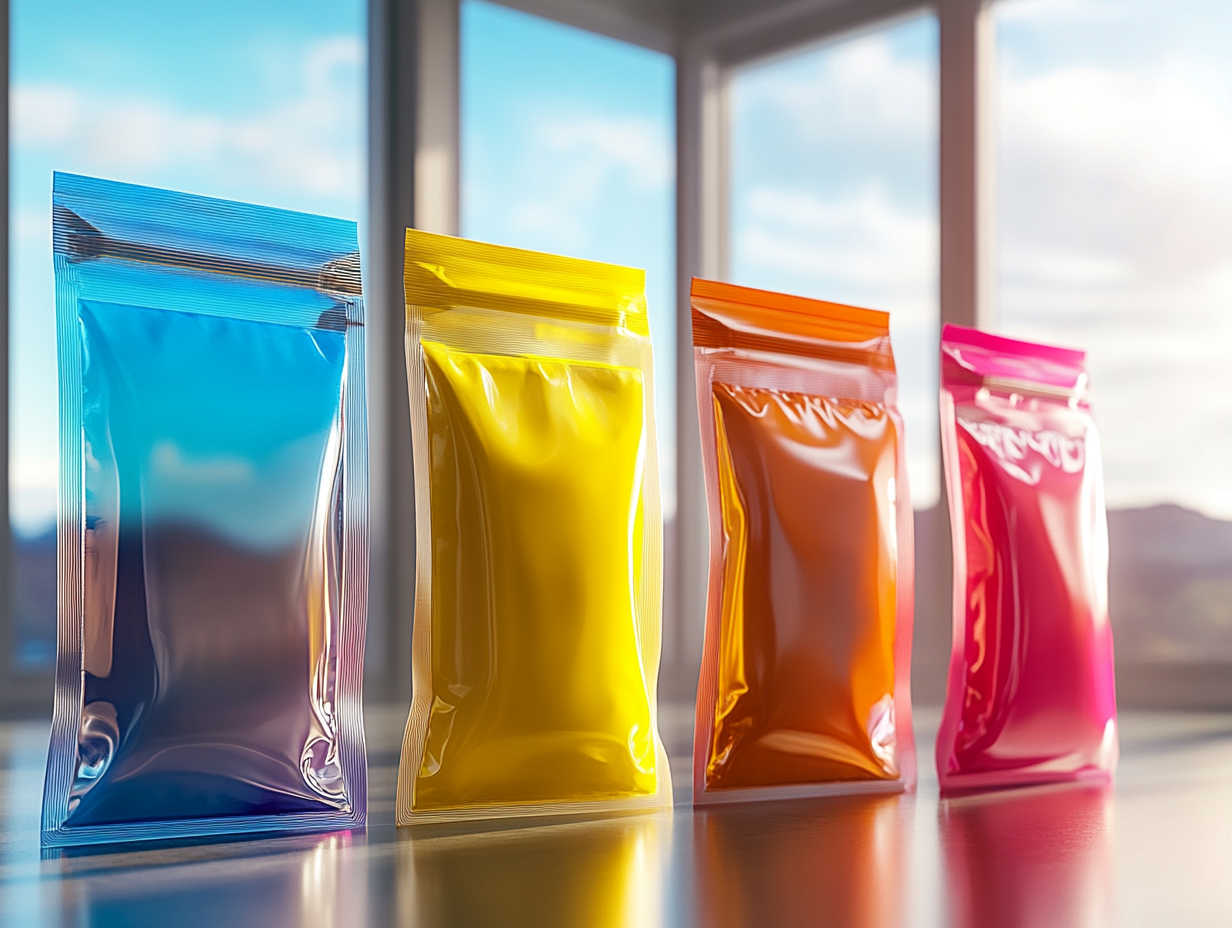
The environmental impact of Ziplock bags has been the center of considerable debate in recent years. While these bags provide convenience for different sectors of industry, the use of nonbiodegradable plastics in their manufacture raised sustainability concerns. A growing awareness of the environmental impact of food storage bags is as essential as the product's claim for convenience. Companies are now thoroughly looking at the material choices and manufacturing processes based on consumer demand for sustainable packaging alternatives.
To avoid the adverse effects caused by conventional plastic, industries from food packaging to retail are now trying to find alternative materials and reusable options. In the years to come, innovative biodegradable materials and improved recycling technology could take us a step closer to sustainability. The challenge in the furture-Fitting consumer preferences and brand evolution-will be to draw the line where convenience meets environmental conscience, where what we enjoy today would not jeopardize the health of the planet for the generations to come.
This becoming big within the food storage bags industry gives an opportunity for the developments of the future technologies of zipper bags. The fast-paced evolution of requirements requires solutions to food preservation, so manufacturers are looking for sustainable materials and designs that improve user experience. From the market research perspective, eco-friendly materials are becoming mainstream among consumers, leading companies to replace traditional plastics with biodegradable ones.
Furthermore, the trends are pointing to customization and branding for packaging. To stand out among competitors, unique ziplock designs and functions can be key differentiators. The changing dynamics of zipper bags, for individual or commercial purposes, will address the modern needs of consumers while factoring in environmental consciousness: poised for a revolution in the perception and use of this common item.
Everywhere one looks, people may find this Ziplock bag that has begun to play a crucial role in various industries. They offer a great deal of versatility and efficient space savings for storage solutions. Ziplock is more efficient than orthodox storage options like normal containers, especially in terms of saving space: A resealable design gives that usability, which can be for consumer and professional applications in food storage, health care, manufacture, etc.
The future of food storage is expected to create immense interest in the Ziplock bag market. As consumers prefer freshness and organization, they increasingly rely on these bags instead of plastic containers or wraps. In addition to that, varieties of polybags, including zippered types, have gained acceptance across various sectors owing to their stronger and more secure hold of the items. In comparative terms, Ziplock bags against other methods of storage serve unique purposes meeting consumer and business needs as they change.
Ziplock bags are primarily made from polyethylene and polypropylene, materials known for their durability and flexibility.
The manufacturing process typically involves extrusion and sealing techniques that create a hermetic seal, ensuring the contents remain fresh and secure.
The demand has increased due to a growing consumer consciousness about food waste and the necessity for reliable storage options that maintain freshness.
Different styles of ziplock bags include flat and gusseted forms, which cater to various applications across numerous sectors, including retail and packaging.
Ziplock bags are versatile tools that can be used for food storage and organizing small items, helping families keep their belongings intact and tidy.
Ziplock bags can be resealed and reused, which reduces waste and encourages sustainable practices in food storage.
Ziplock bags have established themselves as favorites for preserving groceries and leftovers, making them essential for modern kitchens.
Their practicality allows for efficient organization of snacks and ingredients, streamlining the meal prep process for households.