Leave Your Message
You know, in today's super busy world, picking the right Food Bags really can't be taken lightly. I mean, recent market stats show the global food packaging industry could hit aroundaround half a trillion dollars by 2026. A big chunk of that is thanks to all the different types of food bags out there—making life easier for both folks at home and businesses serving up food. Rizhao Wanjia International SCM Co., Ltd. gets this trend, and they’ve been focusing on creating all sorts of handy Plastic Bags — whether you're going on a picnic, grabbing takeout, or doing your grocery run. They’re all about quality and coming up with smarter, better products that stick to hygiene standards but also make things easier for us. Plus, with more folks caring about eco-friendly options, knowing how to pick the right food bags for different needs is honestly pretty important for both businesses and regular people. It’s all about keeping up with what we want and need, right?
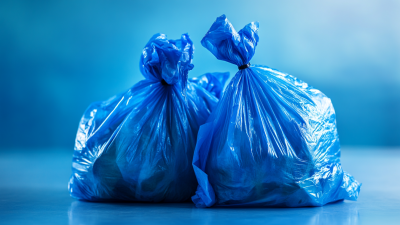
Picking the right food bags really hinges on knowing what types are out there, and honestly, once you get the hang of it, it can seriously make storing and transporting your food way easier and less stressful. There are a few common ones you’ll probably come across — like resealable plastic bags, reusable silicone bags, and vacuum-sealed options. Resealable plastic bags are super handy for everyday stuff, like snacks on the go or keeping leftovers fresh. If you're into being a bit more eco-friendly, reusable silicone bags are great — you can use them for storage, and they handle heat well, so they’re good for cooking too. And then there are vacuum-sealed bags, which are honestly a game changer if you want your food to stay fresh way longer — just remove the air and boom, your perishables last much longer.
A quick tip — think about what you’re actually going to use the bags for. For picnics or outdoor trips, solid resealable bags that won’t leak if you have liquids are the way to go. If you’re into meal prep, silicone bags are pretty versatile — they work in the freezer, microwave, or even for sous-vide cooking. And always, always check that they’re BPA-free so your food stays safe.
At the end of the day, choosing the right food bag can make a big difference — it helps keep your meals fresh and full of flavor. Keep an eye on sizes and how easy it is to seal them up, so they match what you need and are simple to use. Make a good pick, and it’ll not only make storing your food easier but also help you stay a little greener along the way.
: The common types of food bags include resealable plastic bags, reusable silicone bags, and vacuum-sealed bags. Resealable bags are great for everyday use, silicone bags are eco-friendly and versatile for cooking and storage, and vacuum-sealed bags are ideal for long-term food preservation.
For picnics or outings, it is advisable to choose sturdy resealable plastic bags that can hold liquids without leaking. This ensures convenience and prevents messes during transportation.
Reusable silicone bags are versatile and can be used in various situations such as freezing, microwaving, or sous-vide cooking. They are also eco-friendly, making them a sustainable option for meal prepping.
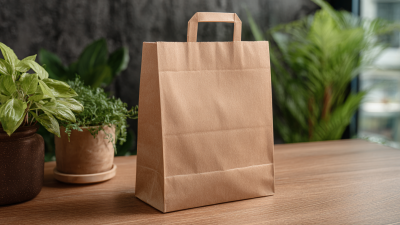
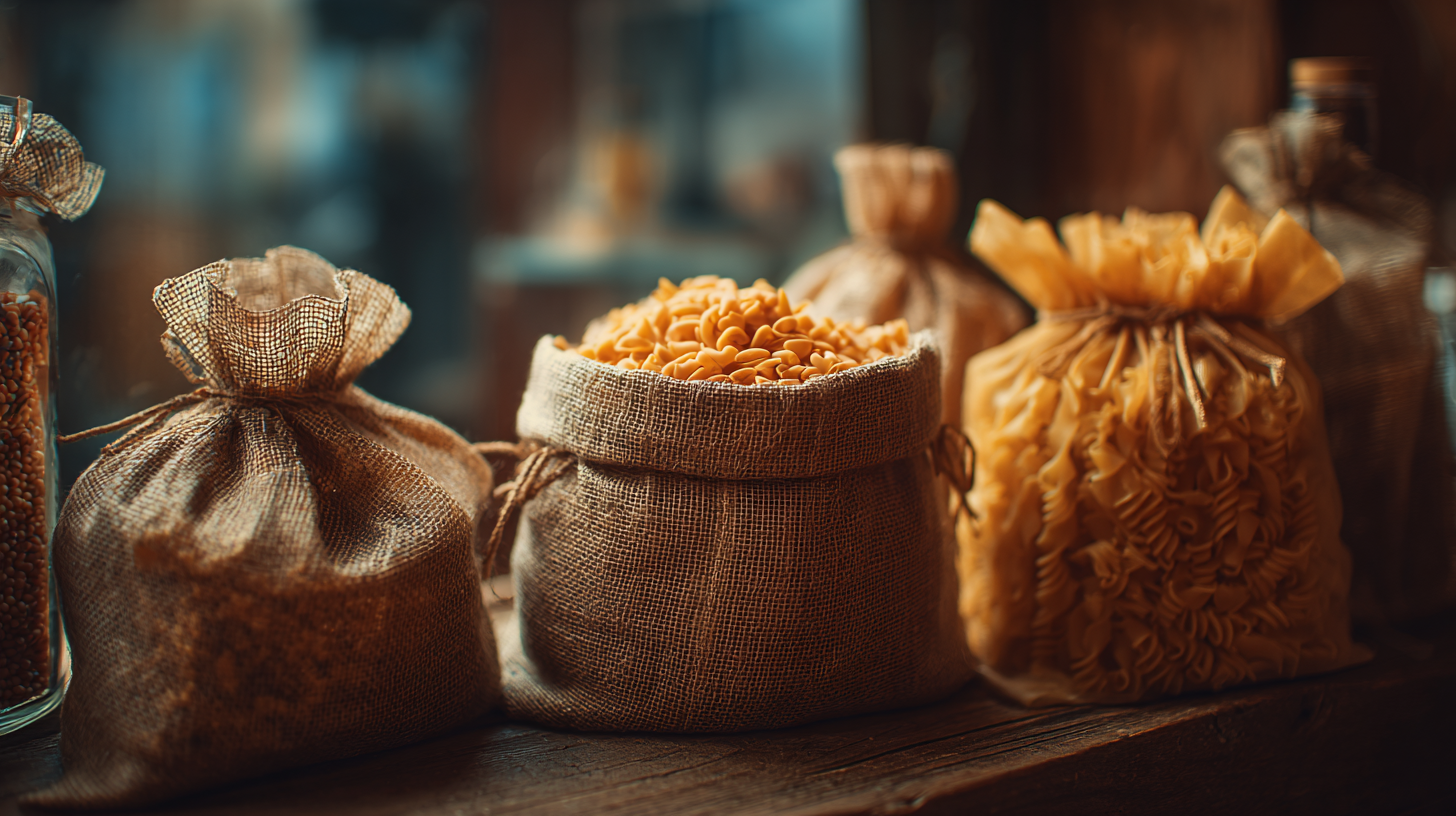
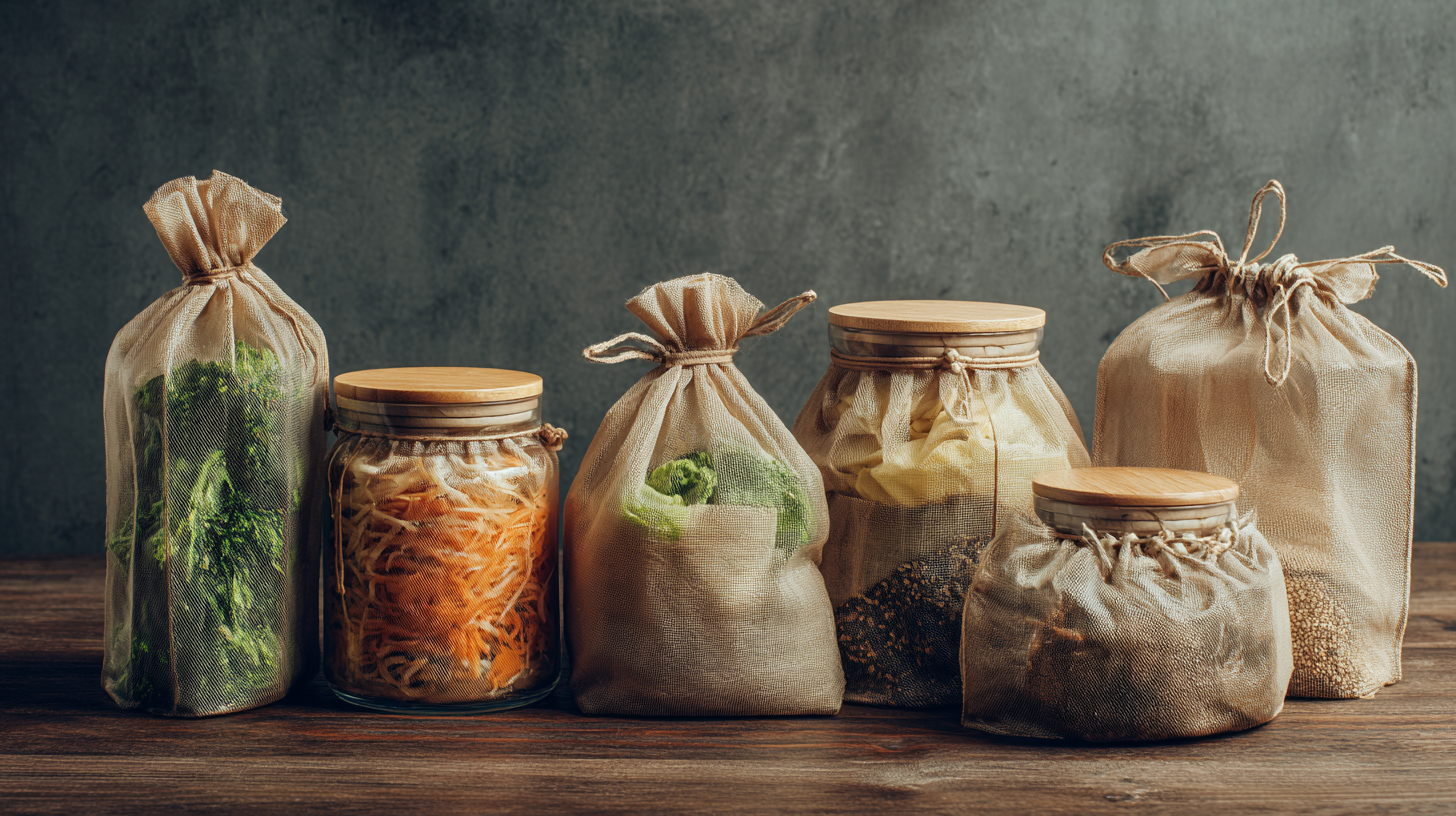
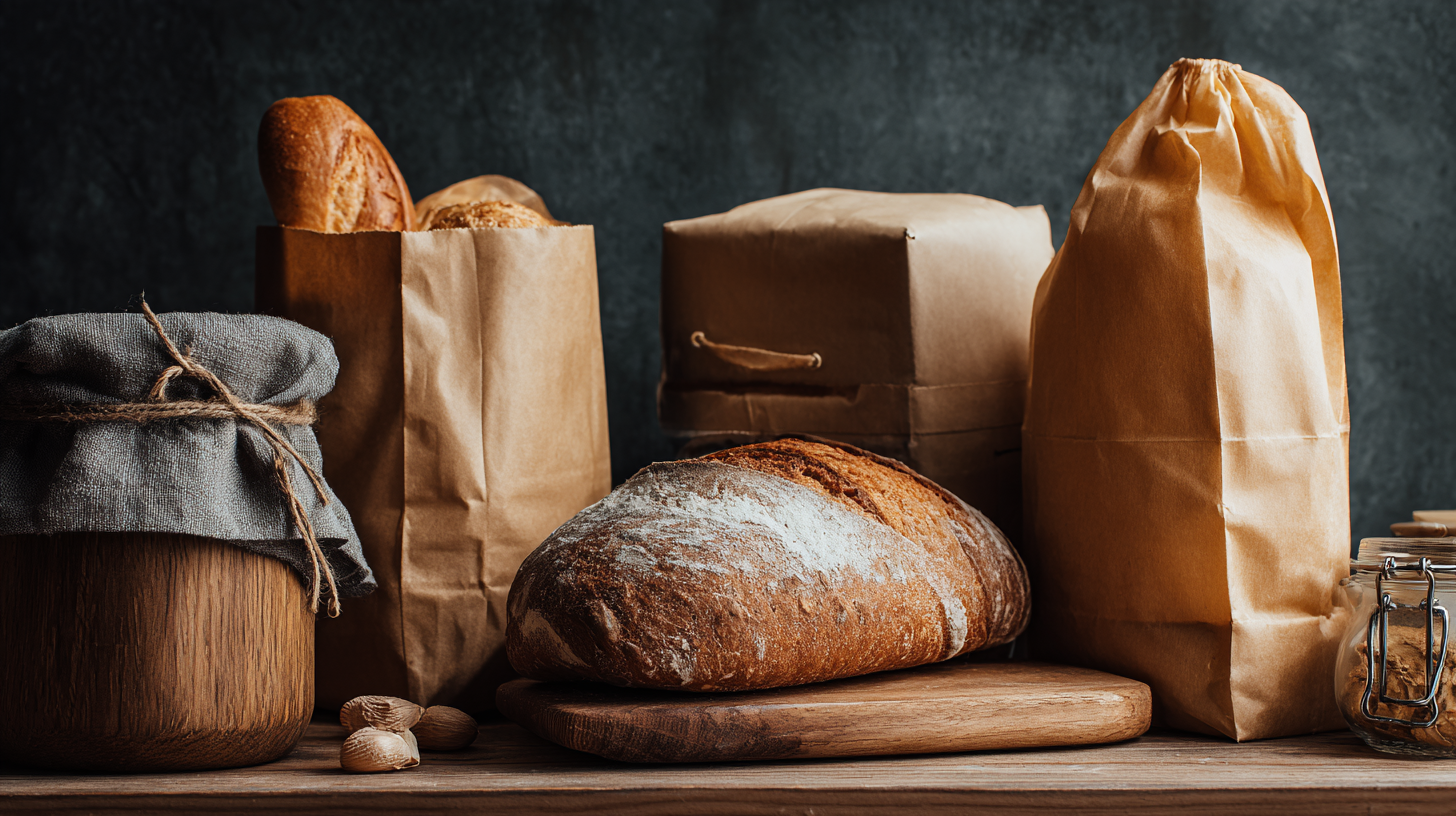
Opting for biodegradable materials and avoiding traditional plastics can significantly reduce your carbon footprint. Choosing food bags made from paper or other sustainable materials is increasingly important for reducing environmental impact.
With around 60% of consumers willing to pay more for sustainable options, manufacturers are prioritizing biodegradable and compostable materials in food packaging to meet consumer demands and reduce environmental impact.
Vacuum-sealed bags are essential for long-term food preservation as they remove air, which helps extend the lifespan of perishables and maintain food quality.
Key features include proper insulation, leak-proof properties, and resealable designs. These enhance food safety and quality during transportation while making usage more convenient.
Compostable bags made from materials like cornstarch or paper decompose within months, significantly reducing waste and preventing marine pollution, thus contributing positively to environmental sustainability.
Selecting BPA-free options is crucial for ensuring the safety of your food, as BPA is a chemical that can have harmful health effects when leached into food or beverages.
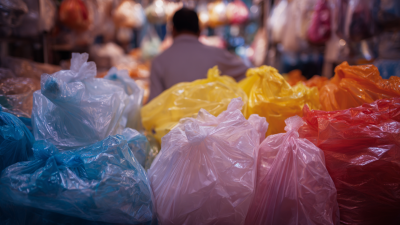
Traditional plastic bags contribute significantly to environmental pollution, with approximately 8 million tons of plastic entering the oceans annually, highlighting the need for more sustainable alternatives.
Hey, if you're looking into choosing the right food bags for different occasions, this article — 'The Ultimate Guide to Choosing the Right Food Bags for Every Occasion' — is pretty helpful. It walks you through the various types out there, like plastic, paper, and those eco-friendly options, and explains what they’re best for in terms of storage or getting your food from point A to B. What I really liked is how it covers what factors you should keep in mind when picking a bag — especially since consumer tastes and market trends in 2023 are always changing. Plus, it doesn’t shy away from discussing how these products impact our environment, encouraging us to make more sustainable choices to help reduce our ecological footprint.
Rizhao Wanjia International SCM Co., Ltd. seems to really get these ideas. They focus on making a wide range of plastic food bags and disposable products, all while emphasizing quality and sustainability. It’s great because they’re trying to meet the needs of their customers without ignoring the bigger picture of environmental responsibility.