 Looking ahead to 2025, it's pretty exciting to think about how Plastic Bags might change. Thanks to new innovations and shifting consumer tastes, the landscape is set for some major shifts. A recent market report predicts that the global plastic bag industry could hit aroundUSD 5 billion by then — pretty staggering, right? This growth is mainly driven by rising demand across sectors like retail and food packaging. Here at Rizhao Wanjia International SCM Co., Ltd., we’re right there on the front lines, producing all sorts of high-quality plastic bags.From Trash Bags and food wraps to shopping bags and ziplocks, we’ve got something for every need. We’re really committed to quality and sustainability too, so we’re actively exploring trends like biodegradable materials and smarter packaging options.This guide is all about sharing the key innovations and trends shaping the future of plastic bags — how manufacturers who stay ahead of the curve can meet the demands of both consumers and the environment in the coming years.
Innovations in Biodegradable Plastics: A 2025 Overview of Key Advances
Looking ahead to 2025, the world of biodegradable plastics is really picking up steam. There are some pretty exciting new solutions popping up to help tackle plastic pollution. For instance, advancements in bioplastics made from marine sources like seaweed are getting a lot of attention lately. Not only do these alternatives help reduce our reliance on traditional plastics, but they also play a part in fighting marine debris. It’s clear that the industry is shifting towards more sustainable options, with a stronger focus on circular economy principles—think less waste, more reuse.
We've also seen biodegradable plastics getting smarter—they now include antimicrobial features and other handy functionalities, making them suitable for all sorts of things like food packaging and disposable items. And honestly, the push towards eco-friendly options isn’t just coming from consumers; governments are rolling out policies that give a nice boost to these efforts. Companies, including innovators like Rizhao Wanjia International SCM Co., Ltd., are pouring more resources into research and collaborations. They're working on plastics made from natural sources that break down easily in compost and landfills. So, looking at how things are shaping up, it’s safe to say that the future of plastic bags and packaging is going to be not only more creative but also way more eco-conscious.
All in all, it’s an exciting time for sustainable packaging—things are moving fast, and it feels like we’re heading in the right direction.
Industry Trends: The Shift Towards Circular Economy in Plastic Bag Manufacturing
Lately, you’ve probably noticed how everyone’s talking about the shift toward a circular economy when it comes to making plastic bags. It’s becoming more and more of a thing, mainly because industries are realizing — hey, we’ve got to be more sustainable, right? Looking ahead, the global market for recycled high-density polyethylene (or HDPE, if you wanna sound fancy) is Projected $19.44 billion by 2025It will soar to approximately [amount] by 2032.$33.99 billionThe compound annual growth rate is approximately8.3%This growth is truly remarkable, demonstrating that the industry is not only striving for recycling, but also rethinking the entire lifecycle of plastics—keeping these materials in use instead of discarding them.
At the same time, the market for plastic crates is also expanding rapidly. In 2023, this market had already exceeded [a certain size/market share].$4.2 billionAnd it is expected to be in accordance with approximately8.3%The growth rate is projected to continue from 2024 to 2032. This reflects a major industry trend—more and more companies are pursuing more environmentally friendly and sustainable solutions, and people's preferences are gradually shifting towards green products. Especially inAgainst the backdrop of the rapid development of Vietnam's plastics industryThese trends undoubtedly point to an important shift: manufacturing is becoming more responsible, reducing its environmental impact while meeting market demands.
Consumer Behavior in 2025: Preferences for Sustainable Packaging Solutions
As we get closer to 2025, it’s pretty clear that the way people think about packaging is changing a lot. People are becoming more aware of environmental issues, and according to a recent Nielsen survey, about 72% of consumers now prefer sustainable packaging over the old-school stuff. This shift seems to be mainly driven by millennials and Gen Z—they really care about brands that show they’re serious about caring for the planet. Because of that, companies are already adjusting their strategies to meet this growing demand for eco-friendly options, which is sparking a lot of new ideas and innovations in the packaging world.
Plus, with the boom in online shopping, the need for greener packaging solutions has skyrocketed. A report from Smithers predicts that the global market for sustainable packaging could hit $500 billion by 2025—that’s pretty huge! It’s a clear sign that businesses need to start taking greener practices seriously right now. We’re seeing a lot of brands experimenting with biodegradable plastics, reusable bags, and simple, minimalistic designs that cut down on waste. Not only does this thing match what consumers want, but it also helps companies stay ahead of stricter regulations around plastic waste. So, going forward, sustainability is really becoming a key factor in packaging decisions—no way around it anymore.
Future of Plastic Bags in 2025: Preferences for Sustainable Packaging Solutions
This chart represents consumer preferences for various sustainable packaging solutions in 2025, highlighting a significant shift towards biodegradable and reusable options as demand for environmentally friendly alternatives rises.
Regulatory Changes: How Legislation is Shaping the Future of Plastic Bags
As we head towards 2025, it’s pretty clear that new rules and regulations are really starting to shape how we think about plastic bags. Governments all over the place are waking up to the environmental mess caused by single-use plastics and are putting stricter laws in place to cut down on their use. For example, countries like Canada and many EU nations already have bans on plastic bags, and more are catching on to the idea. These regulations aren’t just about stopping the production and sale of plastic bags—they’re also encouraging us to switch to better options, like biodegradable or reusable bags. It’s all about nudging consumers to change their shopping habits for the better.
This changing legal landscape is actually pushing companies to get creative. Lots of businesses are pouring resources into researching sustainable materials that meet these new rules. You’ve probably seen some of the new plant-based plastics or recyclable stuff, right? They’re becoming more popular because brands want to look eco-friendly and appeal to conscious shoppers. Plus, with more attention on plastic waste, companies are now doubling down on transparency—making sure the materials they source are environmentally friendly and follow the rules. All these changes aren’t just helping the planet, but they might also shape what consumers want and expect in the future, making sustainability a regular part of our everyday lives.

Market Insights: Projected Growth Rates for Alternative Plastic Bag Solutions
So, it’s pretty clear that the world of plastic bags is changing a lot as we head into 2025. Thanks to growing environmental concerns and all these cool new alternatives popping up, the landscape is shifting. Market trends show that the market for single-use plastic bags is expected to go from around $3.96 billion in 2025 to roughly $4.81 billion by 2034. Weird, right? Despite the push for sustainability globally, there's still a pretty big demand for these bags, which means retailers and manufacturers are gonna have to adapt quickly to new rules and what consumers are really looking for—more eco-friendly options, naturally.
Lately, we're seeing a lot of exciting trends, especially around biodegradable and reusable bags. These new ideas aren’t just about cutting down plastic waste—they’re also about meeting the high standards for sustainable practices that markets are demanding. As businesses try to keep up and align with environmental goals, alternative plastic bag solutions are likely to grab a bigger slice of the pie. It’s shaping up to be a greener future for packaging. Honestly, this isn’t just a passing trend; going sustainable is becoming more of a must, and it’s definitely changing how markets operate and how folks think about waste for good.
Technological Breakthroughs: Smart Plastics and Their Impact on Waste Reduction
You know, the world of plastic bags is changing pretty quickly these days, thanks to some exciting tech breakthroughs that could really boost their sustainability. Have you heard about smart plastics? These are specially designed materials that can biodegrade much faster than regular plastics and even have features that make them break down under certain environmental conditions. It's pretty cool because it means less waste piling up in landfills and hopefully, fewer tiny plastic bits polluting our ecosystems.
One of the best ways we can get involved is by teaming up with brands and making smarter choices ourselves. Companies are putting effort into developing these smarter plastics, but it’s also up to us to be aware of how we dispose of them. Here are a few simple tips for responsible usage:
- Always look for recycling symbols or claims about biodegradability before buying plastic bags.
- When tossing out smart plastics, make sure you follow your local waste management rules so they get processed properly.
- And if you get the chance, speak up for better packaging laws that support sustainable materials.
By staying in the loop and actively taking part, we can all help move towards a
cleaner, greener future — and embrace these awesome new tech innovations shaping what plastics can be in tomorrow’s world.
Stylish and Practical: Transform Your Dining Experience with PE Plastic Disposable Tablecloths
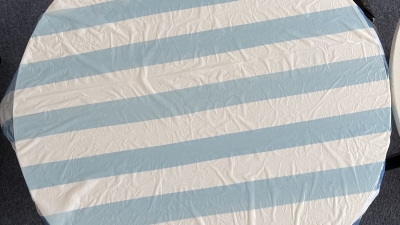
Elevate your dining experience with the stylish and practical benefits of PE plastic disposable tablecloths. Made from food-grade PE material, these tablecloths are not only non-toxic but also waterproof and greaseproof, making them an ideal choice for gatherings, picnics, and various events. According to industry reports, the global disposable tableware market is projected to grow significantly, driven by the increasing demand for convenient and hygienic dining solutions. With these tablecloths, you can enjoy the practicality of easy cleanup — simply use and discard after your event.
What sets these tablecloths apart is their reinforced thickness, which enhances durability and tear resistance. This feature is particularly important for hosts who want to maintain a polished dining aesthetic without the worry of wear and tear during bustling celebrations. Available in multiple sizes, they can accommodate a variety of table formats, ensuring a perfect fit for any occasion. From casual family dinners to formal gatherings, these tablecloths can transform your dining space. With options ranging from solid colors to vibrant printed patterns, they can easily complement any decor, making them versatile for both home and commercial use.
The smooth surface of PE plastic not only aids in quick cleanup but also adds a touch of elegance to your table setting. Industry data indicates that consumer preference for disposable products that combine aesthetic appeal with functionality continues to rise. Embrace this trend by incorporating PE plastic disposable tablecloths into your dining routine, making every meal an enjoyable and stylish experience.
FAQS
: Governments worldwide are implementing stringent legislation aimed at reducing the prevalence of single-use plastics, with countries like Canada and several EU nations introducing bans on plastic bags.
The regulations promote the use of alternatives such as biodegradable and reusable bags, encouraging consumers to adapt their shopping habits.
Companies are investing in research to develop sustainable materials, such as plant-based plastics and recyclable materials, to align with new regulatory standards.
Smart plastics can biodegrade much faster than traditional plastics and have advanced features that allow them to break down in specific environmental conditions, reducing landfill waste and microplastic pollution.
Consumers should check for recycling logos or biodegradable claims before purchasing, adhere to local waste management guidelines when discarding, and advocate for sustainable packaging legislation.
Increased scrutiny on plastic bag usage is promoting greater transparency in supply chains, ensuring that materials sourced are eco-friendly and comply with new regulations.
Companies can invest in the research and development of smart plastics while also educating consumers on proper disposal practices to promote sustainability.
These changes aim to mitigate environmental damage and foster a culture of sustainability, potentially influencing consumer choices in the coming years.