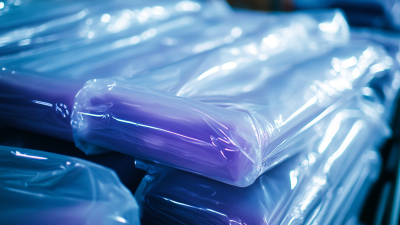
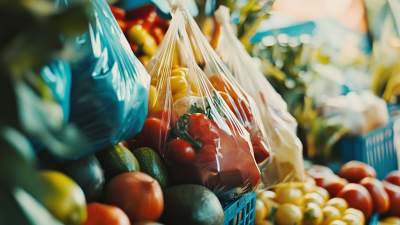
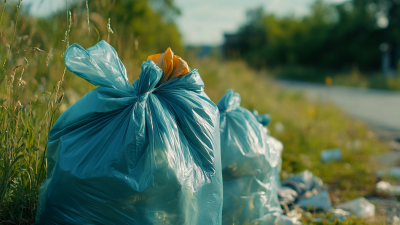
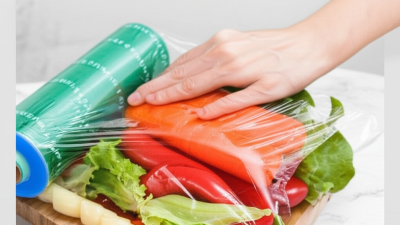
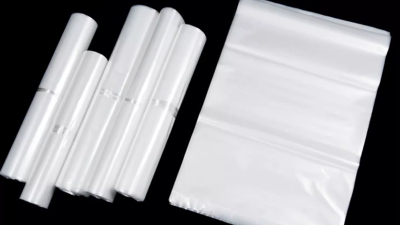
You know, as we all start to pay more attention to sustainability, it’s pretty clear that the need for eco-friendly packaging is super important right now. I was reading this market research report that says the global sustainable packaging market is expected to hit a whopping $500 billion by 2027! A big chunk of that is coming from new, innovative materials used in Produce Plastic Bags. And that’s where Rizhao Wanjia International SCM Co., Ltd. comes into play—we’re really leading the charge in this change, focusing on creating a wide variety of plastic bags designed to fit the needs of eco-conscious shoppers and businesses alike. Our lineup includes everything from garbage bags and Food Bags to shopping bags and ziplock bags, plus a range of disposable products. We believe in keeping things convenient while sticking to our sustainability goals. As we look ahead at what eco-friendly packaging means for the future, it’s super important to recognize just how much impact sustainable Produce Plastic Bags can have. They’re key to reducing environmental harm, promoting responsible consumption, and boosting recyclable options out there.
Eco-Friendly Innovations in Produce Plastic Bag Materials
You know, the move toward eco-friendly packaging is really gaining momentum as we tackle plastic pollution. It’s pretty exciting to see how innovations in the materials for Produce Bags are leading the charge in this movement. I mean, it’s clear that it’s totally possible to have sustainability and functionality go hand-in-hand. There are all these new biodegradable and compostable options popping up, made from renewable stuff like cornstarch and plant-based polymers. These materials break down naturally, which is a huge win for the environment compared to the old-school petroleum-based plastics.
And get this—thanks to tech advances, the new eco-friendly bags are getting better at keeping our produce fresh and durable. Manufacturers are now creating bags that not only shield our fruits and veggies but also let air circulate. This can actually help keep them fresh for longer! As more folks start caring about the environment, we’re likely gonna see the demand for these innovative solutions skyrocket, nudging more brands to adopt sustainable packing practices. Embracing these eco-friendly options is super important for a sustainable future, paving the way for a packaging industry that really prioritizes both the planet and quality stuff.
The Future of Eco-Friendly Best Produce Plastic Bags in Sustainable Packaging - Eco-Friendly Innovations in Produce Plastic Bag Materials
| Material Type | Biodegradability | Recyclability | Sourced From | Average Cost per 100 bags |
| PLA (Polylactic Acid) | Compostable in industrial settings | Not recyclable in standard streams | Corn starch | $15.00 |
| PBAT (Polybutylene Adipate Terephthalate) | Biodegradable | Not recyclable in standard streams | Petroleum and renewable resources | $20.00 |
| Recycled HDPE | Not biodegradable | Fully recyclable | Post-consumer waste | $12.00 |
| Kraft Paper | Biodegradable | Recyclable | Wood pulp | $18.00 |
| Compostable Film | Compostable | Not recyclable | Plant-based materials | $22.00 |
Challenges in Compliance with Sustainable Packaging Standards
You know, the demand for eco-friendly packaging is really on the rise these days. It seems like everyone is becoming a lot more aware of environmental issues, right? But here's the tricky part: for companies that have relied on plastic bags, figuring out how to comply with all these sustainable packaging standards is no walk in the park. A recent report from Smithers Pira even says that the global market for sustainable packaging could hit a whopping $500 billion by 2027! Still, a lot of businesses are struggling to change their production processes to keep up with the new regulations. And let’s be honest, the fact that there's no clear-cut definition for what “sustainable” even means just adds to the confusion, leading to non-compliance and companies missing out on opportunities in this growing market.
So, what can companies do? Prioritizing transparency in sourcing and production practices is key. According to a study by EcoFocus, around 65% of consumers are actually willing to spend more on brands that show they care about sustainability. That's definitely a sign of opportunity! By investing in eco-friendly materials and sticking to recognized certifications, businesses can really build trust with their customers.
One quick tip: it might be a good idea to regularly evaluate your packaging practices and look for third-party certifications to back up your sustainability claims.
At the end of the day, companies gotta stay nimble and proactive when tackling these compliance hurdles. Getting engaged with industry experts and joining sustainability workshops can offer some really valuable insights to help organizations keep pace with all the regulatory changes.
And hey, another useful tip? Teaming up with other businesses to share best practices can keep you in the loop about any upcoming changes in sustainability standards.
Impact of Eco-Friendly Plastic Bags on Consumer Behavior
You know, these days, there's a real buzz around sustainability, and eco-friendly plastic bags are really changing the game when it comes to how we shop. People are becoming way more aware of their impact on the planet and are looking for options that help reduce their footprint. These eco-friendly bags, which are usually made from biodegradable stuff or recycled materials, totally tap into that growing mindset. When we pick up these sustainable alternatives, it’s not just about making life easier; it’s also a way to show we care about the planet. This shift in how we think is pushing us to support brands that keep sustainability at the forefront of their packaging strategies.
But there’s more to these eco-friendly bags than just being practical. They really give brands a chance to connect with us on a deeper level, like sharing values. Companies that go green often build up a loyal following—like, folks are even willing to spend a bit more on products that line up with their environmental beliefs. This creates a sense of community and responsibility among consumers, encouraging us to champion sustainable practices in our own lives too. In the end, eco-friendly plastic bags are doing more than just changing our shopping behavior; they’re shaking things up in the packaging world and nurturing a culture of sustainability that’s spreading like wildfire.
Technological Advances in Biodegradable Plastics
You know, in the past few years, there’s been quite a buzz about sustainable packaging, and it’s really pushed the development of biodegradable plastics forward. A report from the European Bioplastics Association even says that by 2024, the global bioplastics market could hit around 6.5 million tons. That’s a pretty big deal and shows how more and more people—consumers and manufacturers alike—are leaning towards eco-friendly choices. These new materials are not just about cutting down on fossil fuel use; they’re also doing a great job at reducing pollution and waste, completely changing the game when it comes to packaging.
What’s really exciting is the rise of innovative biodegrading technologies, like using plant-based polymers and enzymes—they're starting to catch on. Research from the National Renewable Energy Laboratory (NREL) backs this up, showing that with the right conditions, biodegradable plastics can break down in just a couple of months. That’s a huge difference compared to traditional plastics, which, let’s face it, can hang around for hundreds of years! This quick breakdown is super important if we want to build a circular economy that tackles the big problem of plastic pollution head-on.
As more investments flow into research and development, it looks like the future for eco-friendly plastic bags is bright. This is a great chance for brands to step up and really show their dedication to sustainability—all while giving consumers what they’re looking for in environmentally responsible products.
Industry Collaboration for Sustainable Packaging Solutions
You know, there's this huge global push towards sustainable packaging these days, and it’s really making people realize how important it is to work together in the industry—especially when it comes to making eco-friendly plastic bags. According to a report by Smithers Pira, they’re saying the market for sustainable packaging could hit a whopping $1 trillion by 2027! That's pretty wild, right? It's like consumers are really stepping up their game and demanding better, more environmentally responsible options. So, it’s becoming super clear that partnerships among manufacturers, retailers, and environmental groups are essential if we're going to come up with innovative ways to hit those sustainability targets.
Collaboration is definitely the name of the game when it comes to tackling the challenges of creating biodegradable and recyclable plastic bags. A study from Grand View Research points out that the market for biodegradable plastics is expected to grow at a solid 15.2% each year from 2021 to 2028. By pooling together their knowledge, resources, and tech, companies can speed up the development of alternatives that don’t skimp on quality while also shrinking our environmental footprint. Plus, working together can lead to some really smart supply chain practices, making sure that everything from sourcing to production is done sustainably. It’s all about making these eco-friendly packaging initiatives as effective as possible!
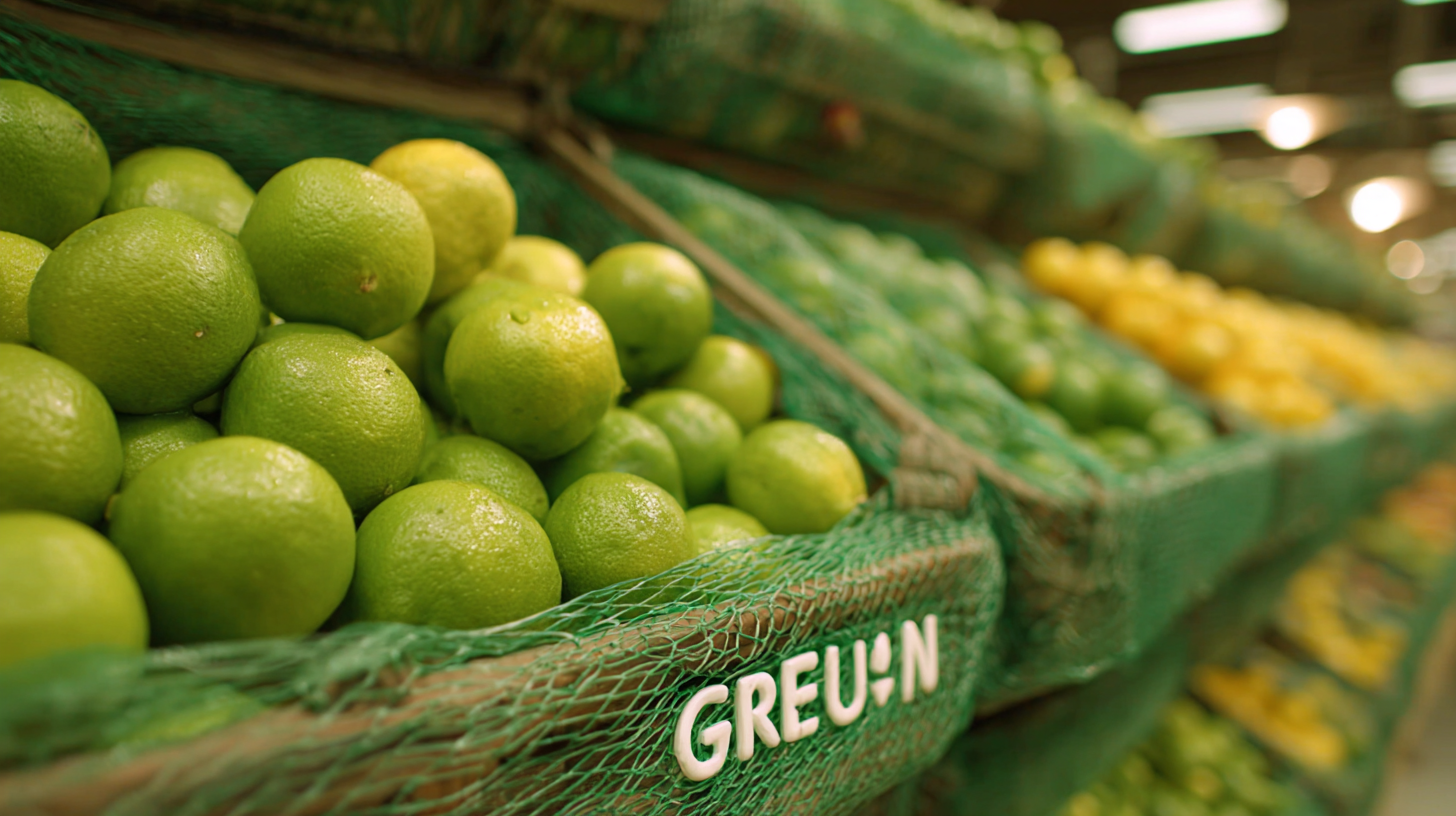
Future Trends in Eco-Friendly Produce Packaging Design
You know, the whole eco-friendly produce packaging scene is really evolving. Companies are under more pressure than ever to step up their sustainability game, so we’re seeing some cool and innovative designs popping up that not only satisfy what consumers want but also stick to the rules. In fact, a lot of big players in the soft packaging space are diving into funding new ideas in flexible plastic tech. It’s pretty exciting to see that everyone’s starting to get how crucial sustainability is in packaging, and it looks like this market is set to grow a ton in the next few years.
So, what’s trending in eco-friendly packaging? Well, a lot of brands are jumping on board with biodegradable and recyclable materials—anything that can help reduce environmental impact, right? Plus, they're really focusing on keeping products fresh and safe, which is super important in the food world. Thanks to some fancy new tech, they’re aiming to boost the overall experience for consumers as well. With the sustainable packaging market expected to skyrocket and hit impressive figures by 2030, the spotlight will definitely be on creating packaging that’s not just versatile, but also responsible and aligned with the whole circular economy vibe.
Maximize Your Outdoor Fun: The Essential Guide to Durable Waterproof Flat Bags
When it comes to enjoying the great outdoors, having the right gear can make all the difference. One essential item that outdoor enthusiasts should not overlook is a durable waterproof flat bag. Made from high-quality PE material, these bags boast impressive toughness and wear resistance, ensuring that your belongings stay protected against the elements. According to a recent industry report, waterproof storage solutions are increasingly popular, with the market projected to grow by 5.4% annually over the next five years. This surge is driven by the need for reliable protection during outdoor activities, whether you're hiking, camping, or just enjoying a day at the beach.
The flat opening design of these bags facilitates quick filling and sealing, allowing for easy accessibility when you need it most. Whether you're carrying small items or bulk goods, these bags come in various sizes and can be customized to meet your specific packaging needs. This versatility makes them an excellent choice for everything from daily shopping excursions to food preservation during longer trips. In an era where sustainability is a priority, these waterproof flat bags are made with environmentally friendly and biodegradable materials, aligning with the growing demand for green packaging solutions. A study conducted by the International Compostable Institute indicates that the shift toward biodegradable packaging can significantly reduce environmental pollution, making these bags an eco-conscious choice for consumers.
By integrating durable waterproof flat bags into your outdoor adventures, you can maximize your fun while ensuring your belongings remain safe and sound. With ongoing advancements in material technology and design, these bags not only offer protection but also contribute to a more sustainable future. Embrace the outdoors with confidence, knowing that you are equipped with the best in waterproof storage solutions.
FAQS
: The demand is increasing as consumers become more aware of environmental issues and are willing to support brands that show commitment to sustainability.
Companies struggle with adapting their production processes to meet evolving regulations and often face confusion due to the lack of standardized definitions for what constitutes "sustainable."
Companies can build consumer trust and potentially capture a market willing to pay more for sustainably committed brands.
Companies should regularly assess their packaging practices and seek third-party certifications to validate their sustainable claims.
Collaboration helps overcome challenges in creating biodegradable and recyclable plastic bags by allowing manufacturers, retailers, and organizations to share knowledge, resources, and technology.
Future trends include the adoption of biodegradable and recyclable materials, advanced technologies for product freshness, and a focus on adaptable packaging solutions that align with a circular economy.
The global market for sustainable packaging is projected to reach $1 trillion by 2027, indicating a significant increase in consumer demand for environmentally responsible options.
Engaging with industry experts and participating in sustainability workshops can provide valuable insights and help organizations stay informed about regulatory changes.
Companies are integrating advanced technologies aimed at improving the overall consumer experience while ensuring packaging is safe and effective in preserving product freshness.
Companies must remain agile, regularly assess practices, collaborate with others in the industry, and keep up with best practices and upcoming changes in sustainability standards.