You know, as people around the world are becoming more aware of environmental issues, finding eco-friendly alternatives to Plastic Bags is really gaining importance. I read somewhere that over a trillion plastic bags are used globally every year—that’s a huge number and a major contributor to pollution and waste problems. Rizhao Wanjia International SCM Co., Ltd., makes all sorts of plastic bags—like garbage bags, food storage, shopping totes—and they totally get that we’ve gotta start making smarter choices. With more folks looking for sustainable options, there’s been some pretty cool innovation happening, like biodegradable materials and reusable packaging. These new solutions not only help cut down on environmental harm but also match what consumers actually want—something more eco-conscious. As we explore these greener options, it’s really important to think about how our choices impact the planet and what the future of packaging could look like, especially given the ongoing plastic crisis.
Understanding the Environmental Impact of Plastic Bags
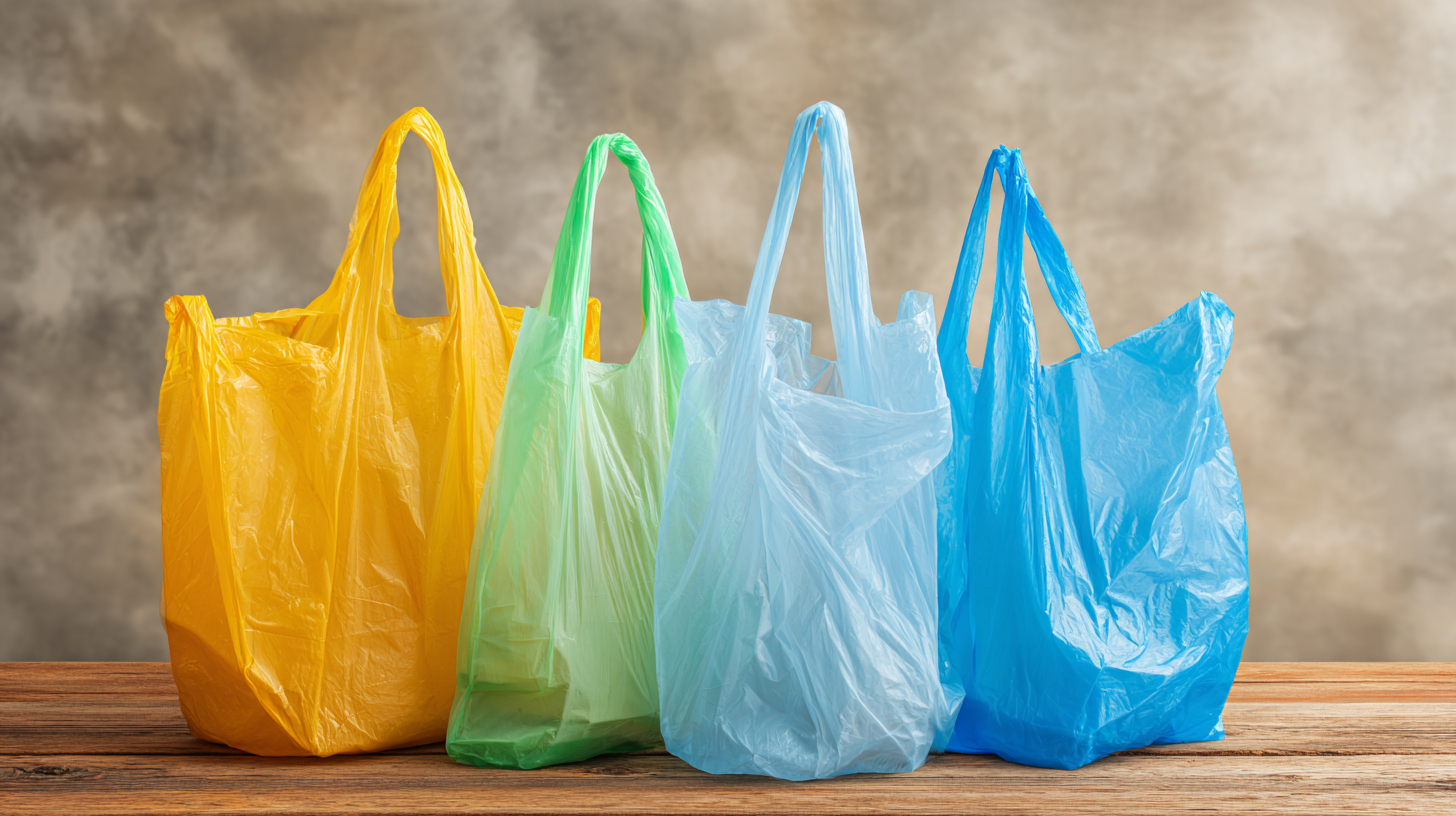
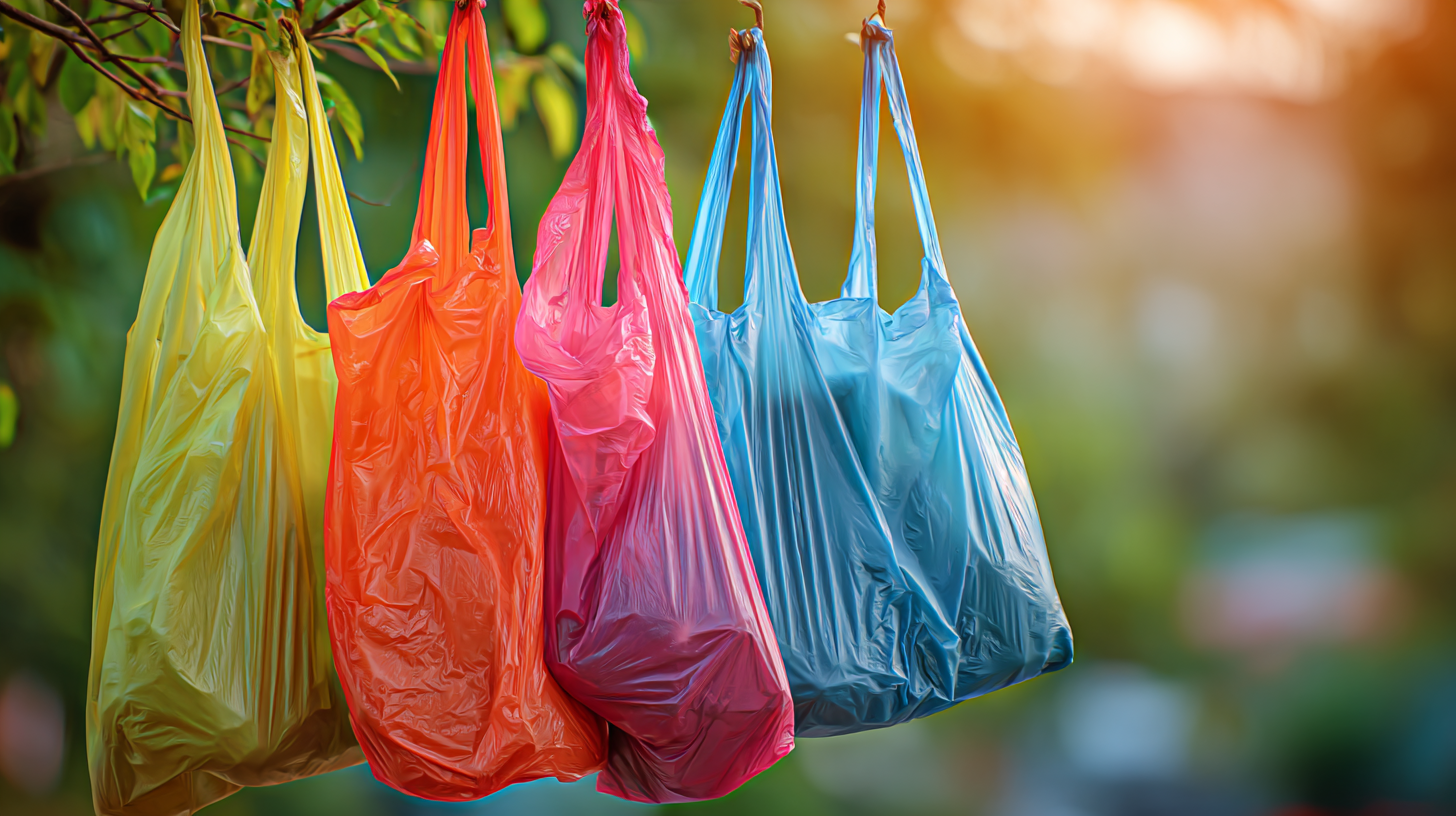 You know, plastic bags are just everywhere these days — honestly, it’s hard to imagine a trip to the store without grabbing a few. But the truth is, their impact on our planet is pretty shocking. The EPA estimates that in just one year, about 3.9 million tons of plastic bags and wrap are thrown out, and only a tiny 9% of that ever gets recycled. Most of these bags end up in landfills or, worse, flying around as litter. They can take hundreds of years to break down, which is terrifying when you think about the harm they do to wildlife and ocean life. In fact, reports from the UN say that around a million sea creatures and countless birds are killed each year because of plastic pollution — it’s so sad to think about.
If we really want to make a difference, switching to eco-friendly options is the way to go. Things like reusable bags made from organic cotton or recycled plastics are a great start. They’re sturdy, can carry a lot more stuff, and, best of all, you can use them for years. That cuts down on the need for those single-use plastic bags, which is a big win.
For a tip:When you go shopping, try keeping your reusable bags in your car or right by your door so you don’t forget them. Also, instead of plastic Produce Bags for fruits and veggies, why not try mesh bags? Little changes like these in our daily routines can really add up and help protect our planet. It’s all about doing what we can — one bag at a time.
Exploring Biodegradable and Compostable Bag Options
As more and more of us become aware of how much plastic bags are harming the environment, it's pretty clear that people are finally starting to look for better options—like biodegradable and compostable bags. Did you know that the EPA estimates around 380 billion plastic bags get used every year just in the U.S.? And a good chunk of those end up in landfills or floating around in the oceans, which is pretty concerning. Biodegradable bags—made from stuff like starch—break down much faster than regular plastic, sometimes in as little as 90 days if the conditions are just right. Pretty neat, right?
Then there's the whole thing about compostable bags. They actually turn into non-toxic, nutrient-rich bits that help out our soil, which is kinda cool. According to the Biodegradable Products Institute, switching to compostable stuff can cut down on organic waste in landfills by up to 30%. More people are jumping on these eco-friendly bandwagons lately, and it's awesome to see how demand for sustainable choices is growing.
**A few tips:** When you're picking out eco-bags, keep an eye out for certifications like ASTM D6400—this way, you know they actually meet industry standards for being compostable. And if you're into reducing waste even more, reusable cloth bags are a fantastic option—they're durable, washable, and can seriously cut down your plastic use. Living in the city? Joining a local composting program can really boost your positive impact and make your efforts even more meaningful.
Eco-Friendly Alternatives to Plastic Bags
This chart compares the usage trends of various eco-friendly bag alternatives, including reusable bags, biodegradable bags, and compostable bags over the years.
The Benefits of Reusable Fabric Bags for Daily Use
Switching over to reusable fabric bags isn’t just good for the environment — it actually comes with a bunch of handy perks for everyday life. I mean, unlike those flimsy plastic bags that tear at the slightest weight, fabric ones are pretty sturdy and can handle a lot without giving out. Plus, they often come with cool extras like pockets or reinforced handles, making them perfect for grocery runs, packing your gym stuff, or even heading to the beach. Honestly, making these bags a part of your daily routine helps cut down on waste and just feels a lot more sustainable overall.
A quick tip: when you’re picking out fabric bags, try going for ones made from organic or recycled materials – it just ups their eco-friendly game. And don’t forget to keep a couple of these bags in your car or toss them in your tote whenever you head out. That way, you’re less likely to reach for a plastic bag at the last minute. Oh, and a fun idea? Personalize your bags with your favorite colors or designs — it’s a fun way to make them your own and actually want to use them regularly.
And here’s the cool part — fabric bags are super easy to clean. Just toss them in the wash now and then to keep them fresh and bacteria-free, especially after grocery shopping with raw foods. All in all, these bags are a no-brainer for anyone looking to be more eco-conscious without sacrificing practicality. They’re stylish, durable, and eco-friendly — what’s not to love?
Eco-Friendly Alternatives to Plastic Bags: Sustainable Choices for Everyday Use
| Type | Material | Lifespan | Environmental Impact | Cost (Approx.) |
| Reusable Fabric Bag | Cotton/Canvas | 5+ years | Low | $10 - $20 |
| Jute Bag | Jute Fiber | 3-5 years | Low | $5 - $15 |
| Recycled Plastic Bag | Recycled PET | 2-3 years | Medium | $2 - $10 |
| Biodegradable Bag | PLA (Cornstarch) | 1-2 years | Very Low | $3 - $8 |
Innovative Alternatives: Choosing Sustainable Packaging Solutions
Lately, there's been a real push to find better alternatives to plastic bags, mainly because we're finally all realizing just how much plastic pollution is affecting our planet. It’s pretty clear that we need sustainable packaging solutions — and thankfully, more options are popping up all the time. These aren’t just eco-friendly; they’re actually practical for everyday use too. Think biodegradable stuff and reusable choices that fit into our busy lives, all while helping us cut down on waste and lower our ecological footprint.
One pretty popular pick is organic cotton totes. They’re tough, can be used over and over again, which seriously cuts down on single-use plastics. Then there are compostable bags made from plant-based materials — they break down way faster than your average plastic bag, which is a big win for the environment. And some brands are going all out with hemp and jute — not only are they super sustainable, but they’re also strong and versatile enough to carry all sorts of things. By choosing these kinds of options, consumers can actually make smarter, more eco-friendly choices every day — it’s all about making sustainability part of our routines.
DIY Projects: Crafting Your Own Eco-Friendly Bags at Home
Making your own eco-friendly bags at home can actually be a pretty fun and satisfying DIY project — plus, it’s a great way to cut down on plastic waste. One really simple idea is to repurpose old T-shirts into reusable shopping bags. Just cut off the sleeves and the neckline, then turn the shirt inside out. Sew up the bottom to close it off, and voilà — you’ve got yourself a sturdy tote ready for grocery runs or just your everyday errands. And hey, you can even decorate it with some fabric paint or fun patches to give it a bit of your own personal touch!
Another cool idea is to sew tote bags using fabric scraps or old linens. It’s a win-win — declutter your space a bit and end up with a unique bag that shows off your style. To do this, start by cutting two matching rectangles of fabric, then sew the sides together, leaving the top open for the handles. You can make the handles out of the same fabric, or get creative by repurposing old belts or ribbons. These bags aren’t just practical—they also make a little statement against single-use plastics. With a bit of creativity and some time, you can easily mix style and sustainability into your everyday life.
Tips for Transitioning to a Plastic-Free Lifestyle
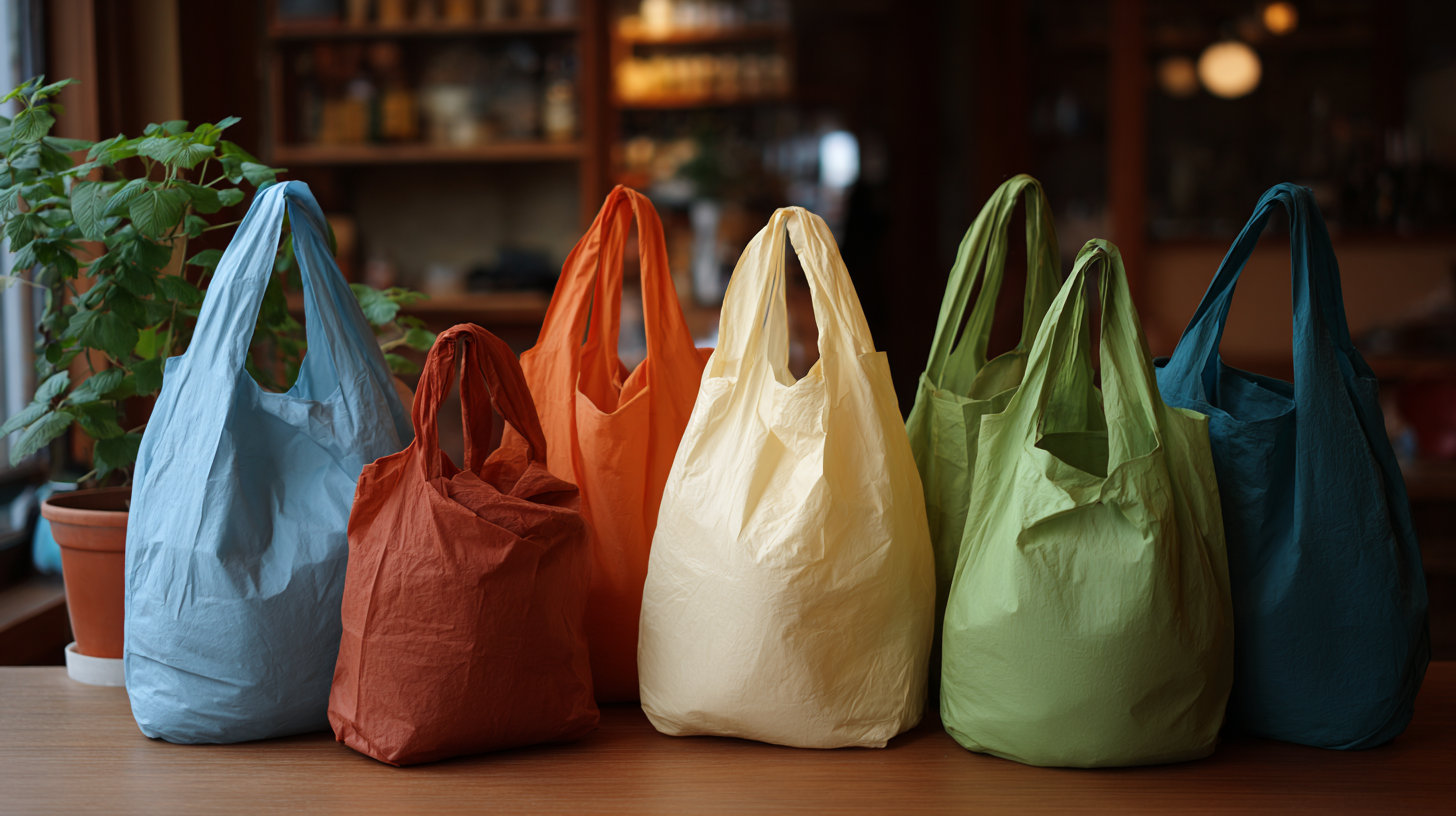
Switching to a plastic-free lifestyle might feel a bit overwhelming at first—trust me, I get it. But honestly, with a few simple tricks, it can turn into something actually enjoyable and maybe even a bit relaxing. For example, start by swapping out those plastic bags for some eco-friendly options like reusable cloth bags, jute bags, or even recycled paper ones. Not only do these cut back on plastic waste, but they also give you a chance to practice being more sustainable. Keep a couple of your reusable bags in the car or right by your front door—trust me, that way you're way more likely to remember to use them when you're heading out shopping.
And while you’re at it, take another look at your grocery shopping habits. Shopping at bulk bins or hitting up farmer’s markets can seriously cut down on packaging. Remember to bring your own containers—whether for bulk foods or fresh produce—that way, you're reducing waste even more. Also, try to pick products that come with minimal or compostable packaging; over time, these tiny changes really start to add up and make a difference. By making conscious choices about what materials to buy and supporting brands that are eco-friendly, you’re not just reducing your environmental footprint—you’re also inspiring friends and family to do the same. Small steps, big impact, right?
Effective Uses and Benefits of Clear Waterproof Plastic Packing Material Wrapping Film
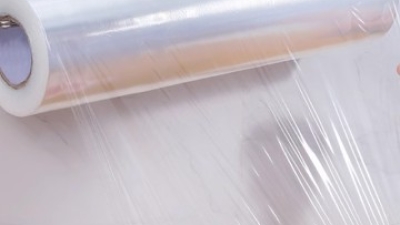
Clear waterproof plastic packing material, especially household plastic wrap, offers numerous effective uses and benefits that make it an essential item in any kitchen. Made from high-quality polyethylene (PE), this non-toxic and odorless film ensures safety while being environmentally friendly. Its remarkable stretchability and stickiness allow it to tightly conform to various shapes of bowls and plates. This feature is crucial for preserving the moisture in food, thus keeping it fresh for a longer period.
The high transparency of the plastic wrap is another significant advantage, making it easy for users to monitor the condition of the food without having to open the packaging. By effectively blocking air, it creates an ideal environment to prolong the shelf life of both cooked and raw ingredients. Additionally, the lightweight and durable nature of this material allows for effortless handling without the risk of bubbles forming during application. The thoughtfully designed packaging means that it can be stored conveniently, taking up minimal space in the kitchen while being readily accessible when needed.
FAQS
: Plastic bags have a significant environmental impact, with approximately 3.9 million tons generated annually in the U.S. and only 9% being recycled. They take hundreds of years to decompose and threaten wildlife, with around 1 million sea creatures killed each year due to plastic pollution.
Reusable bags made from materials like organic cotton or recycled polypropylene are excellent alternatives. They are durable, capable of holding more weight, and can be used for many years, reducing the reliance on single-use plastic bags.
Keep reusable bags in your car or near your front door, so they are easily accessible when you go shopping. This way, you’re less likely to forget them.
Biodegradable bags, made from materials like starch, break down more naturally than plastic bags in about 90 days under the right conditions. Compostable bags are designed to break down into non-toxic components in composting environments, contributing to soil health.
Look for certifications such as ASTM D6400 to ensure that compostable bags meet industry standards and can break down as intended.
You can repurpose old T-shirts into reusable shopping bags by cutting off the sleeves and neckline, then sewing the bottom shut. Alternatively, you can sew tote bags using fabric scraps or old linens, which allows for customization and reduces waste.
Using reusable cloth bags significantly reduces waste, can be washed and maintained over time, and contributes positively to environmental sustainability.
Yes, compostable products can divert organic waste and can reduce landfill accumulation by up to 30%, supporting more sustainable waste management practices.
Conclusion
Hey, I came across this really interesting article called "Eco-Friendly Alternatives to Plastic Bags: Sustainable Choices for Everyday Use," and I think it hits on some pretty important points. Basically, it talks about how plastic bags are messing up our environment—like, the real impact they have on our ecosystems. It’s a good reminder that we really need to start switching to more sustainable options. The article goes into biodegradable and compostable bags, highlighting how they can help cut down on waste. And don’t worry, it doesn’t just stop there! It also promotes reusable fabric bags, which are not only a great way to reduce plastic use but also a step toward a greener lifestyle.
What’s cool is that it also dives into some innovative packaging ideas that could totally replace those old-school plastic bags we see everywhere. Plus, if you're into DIY, there are some projects you can try at home to make your own eco-friendly bags—pretty fun, right? It’s packed with practical tips for living plastic-free, making it a handy guide for anyone looking to do their part and make more conscious choices day-to-day. And yeah, it even touches on the widespread use of plastic bags in different industries, like those produced by Rizhao Wanjia International SCM Co., Ltd. Overall, it’s a really relatable and inspiring piece that reminds us we can all make a difference—one bag at a time.