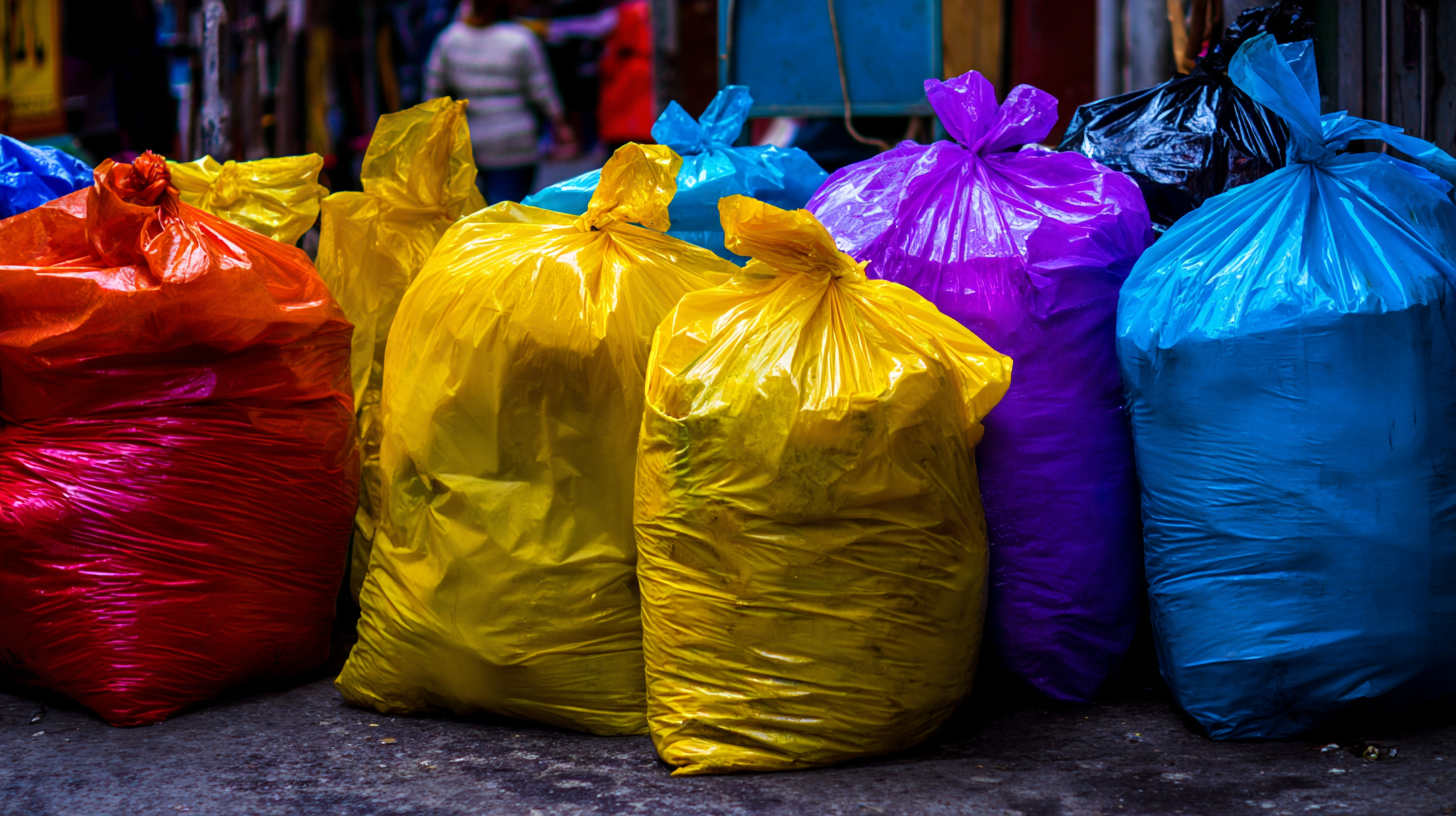
In today’s super fast-paced world, it’s pretty clear that we’re all looking for waste management solutions that are reliable and effective. Did you know that, according to a report from Smithers Pira, the global market for plastic garbage bags is expected to hit around $4.34 billion by 2026? That’s mostly thanks to everyone becoming more aware of environmental issues and cities continuing to grow. Here at Rizhao Wanjia International SCM Co., Ltd., we’re right in the thick of it—specializing in a wide variety of plastic bags, including some really high-quality Garbage Bags Plastic that suit all kinds of daily needs. We’ve got tons of options, different specs and styles, so whether it’s for your home or business, our products are designed to be both convenient and eco-friendly. Figuring out how to pick the best plastic Trash Bags isn’t just about keeping things tidy – it’s also about being responsible for the environment. So, this guide is here to help you make smarter choices with confidence.
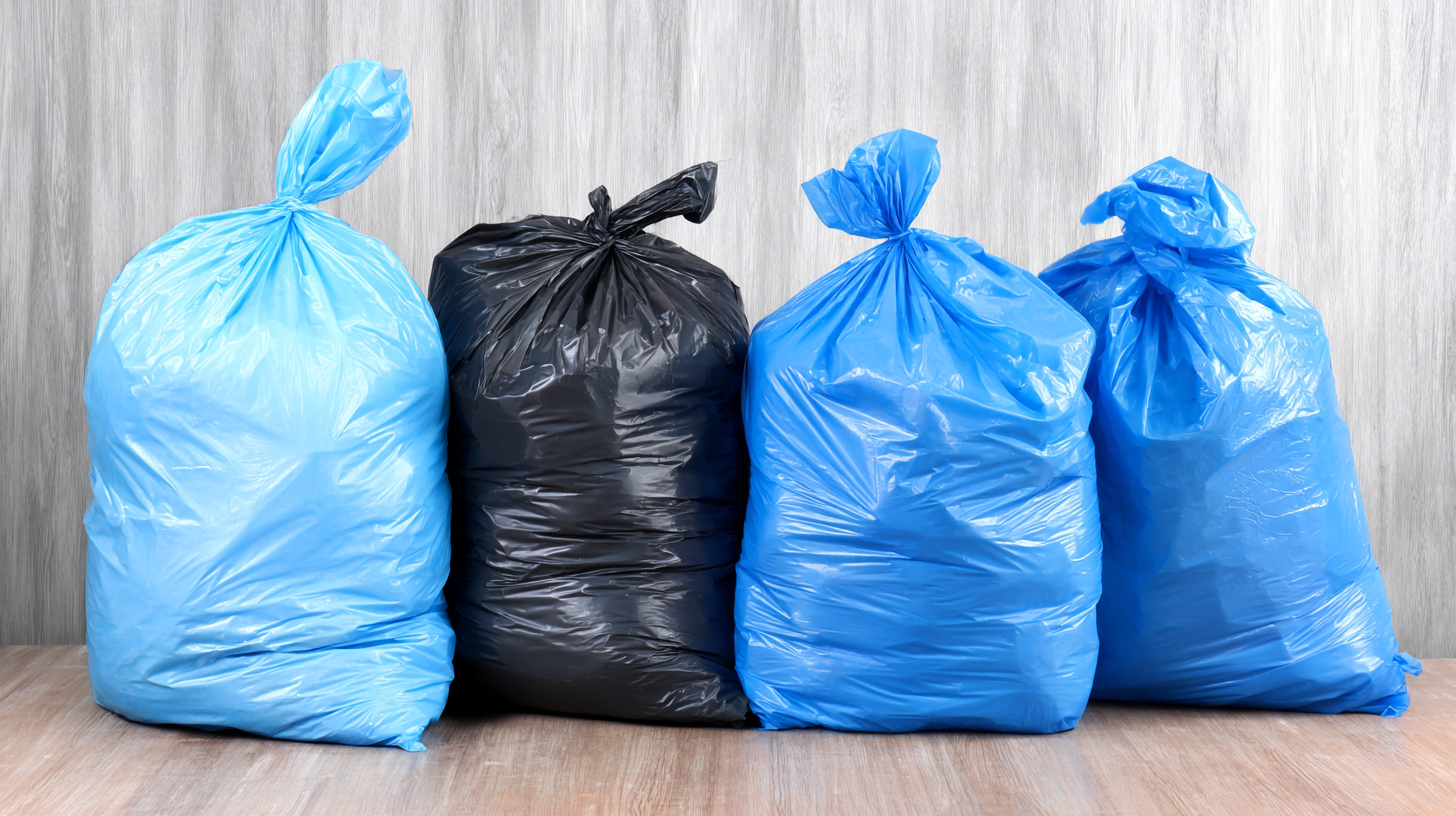
Understanding Plastic Garbage Bag Types: From Trash to Recycling
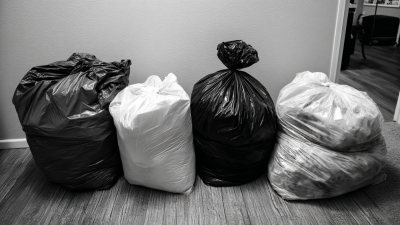
When you're picking out the right plastic trash bags, it’s pretty important to know there are different kinds, each meant for specific stuff—like just regular household waste or recyclables. For everyday garbage, you’ll probably go with standard trash bags made from low-density polyethylene. They’re pretty sturdy and work well for most things. You’ll find them in all sorts of sizes, and if you’re dealing with heavier stuff, there are thicker ones that won’t tear so easily under pressure.
Now, recycling bags tend to be clear or blue—kind of an instant visual cue to help with sorting. They’re built strong enough to hold things like plastic bottles, paper, and aluminum cans. Some brands even make wasDegradable Bags, which is pretty cool because they break down naturally in landfills. If you’re into reducing your environmental footprint, those are a smart choice.
Knowing the differences between these bags helps you pick the right one and, in the end, helps keep our planet a little cleaner and greener.
Key Factors in Selecting Durable Plastic Bags: Strength and Thickness
When you're picking out plastic trash bags for everyday use, there are a couple of things you definitely want to keep in mind—mainly, how strong they are and how thick. I recently read a report from the Plastics Industry Association, and it pointed out that generally, thicker bags tend to be stronger. They measure thickness in mils, which is just a fancy way of saying one-thousandth of an inch. Most regular kitchen trash bags usually fall between 0.9 and 1.2 mils, but if you need something tougher, you'll find options that are 2 mils or even thicker. Picking the right thickness basically means your bag won’t tear easily—especially when dealing with stuff like sharp objects or wet trash—so it’s a pretty big deal.
Then, there’s also the tensile strength, which is basically how well the bag can stretch without breaking. According to some research, HDPE bags—those are high-density polyethylene—are usually thinner but can actually hold more weight compared to LDPE bags, which are more flexible and thicker. In fact, a study from the American Plastics Council found that HDPE bags can carry about 12% more weight than LDPE ones. So, if you’re hauling a lot of heavy trash, HDPE might just be the way to go. Understanding these two factors—strength and thickness—really helps in picking the right bags, so you don’t have to worry about leaks or spills every time you toss out the trash.
How to Choose the Best Plastic Garbage Bags for Your Daily Needs - Key Factors in Selecting Durable Plastic Bags: Strength and Thickness
| Bag Type | Thickness (Mil) | Load Capacity (lbs) | Durability Rating | Ideal Use |
| Standard Trash Bags | 0.8 - 1.2 | 10 - 20 | Medium | Home Kitchen Waste |
| Heavy-Duty Trash Bags | 2.0 - 3.0 | 20 - 40 | High | Construction Debris |
| Biodegradable Bags | 1.0 - 1.5 | 10 - 15 | Medium | Organic Waste |
| Clear Recycling Bags | 1.0 - 1.5 | 15 - 25 | Medium | Recyclable Materials |
| Tall Kitchen Bags | 1.0 | 13 - 20 | Medium | General Household Waste |
Environmental Impact of Plastic Bags: Biodegradable vs. Conventional Options
When you're picking out garbage bags, it’s pretty hard to ignore how much the materials can impact the environment. You know, most regular plastic bags — the ones made from polyethylene — actually make up a huge chunk of the world's plastic trash. According to a report from the United Nations Environment Programme, we use about a trillion single-use plastic bags every year. Crazy, right? These bags take hundreds of years to break down, and all too often, they end up in landfills or floating in the ocean. That’s really bad news for wildlife and ecosystems everywhere.
On the flip side, biodegradable bags are becoming more popular as a greener option. They’re designed to break down much faster — usually within 3 to 6 months if the conditions are right. A study by the Biodegradable Products Institute mentions that while these bags do help cut down on plastic waste, their actual impact depends a lot on how waste is managed. In the end, switching to biodegradable bags instead of regular plastic can really help lessen environmental harm. It’s definitely something for folks like us to consider if we want to be a bit more eco-friendly.
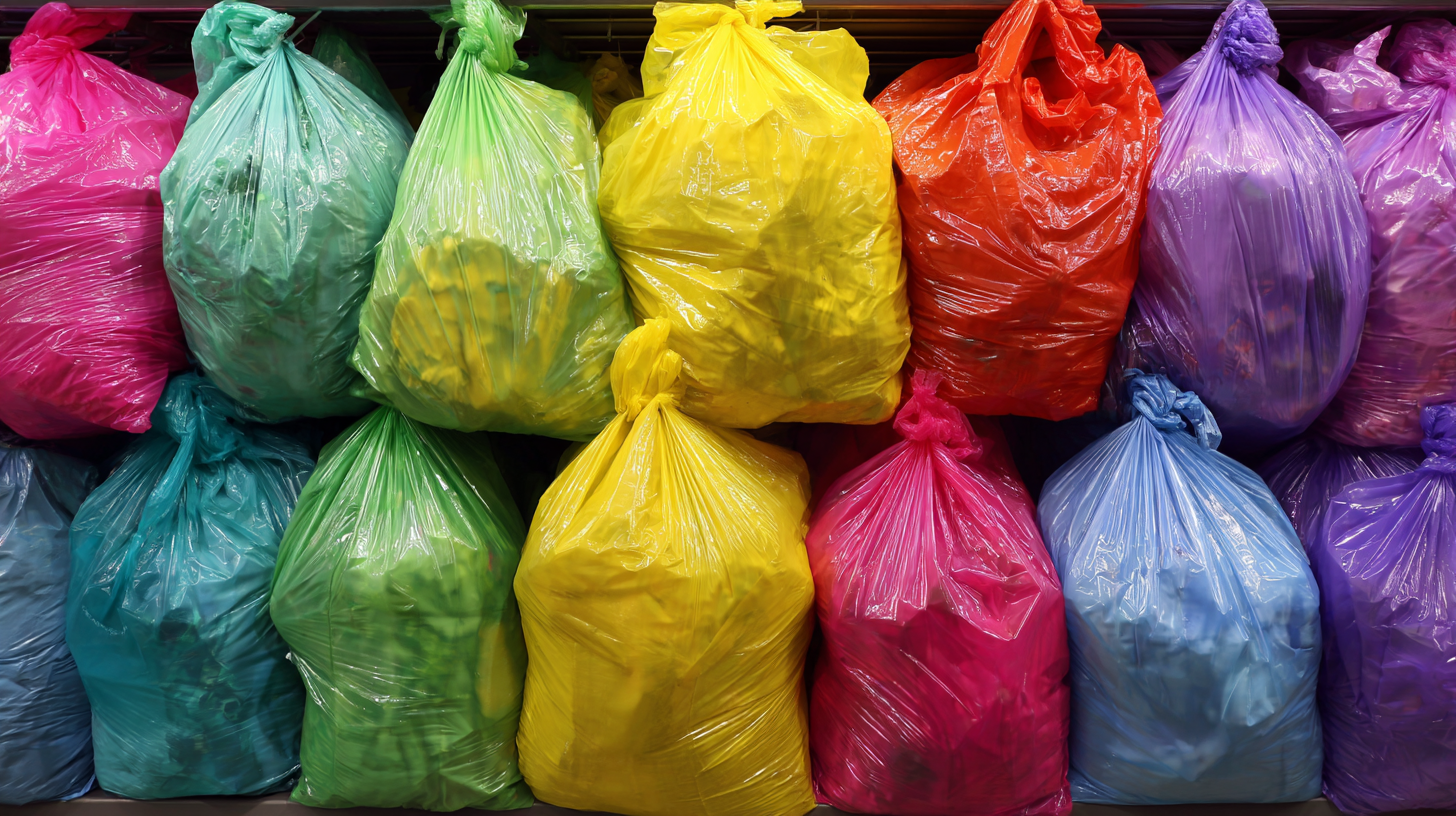
Sizing Your Needs: Choosing the Right Garbage Bag Volume for Your Lifestyle
When you're trying to pick out the right plastic garbage bags, it's really helpful to think about your daily habits and what your lifestyle needs. I mean, every household is different, right? Things like how big your family is, how much waste you usually generate, and what kind of trash you toss out all matter. Interestingly, market research shows that the global demand for garbage bags is expected to grow around 3.8% annually from 2023 to 2028 — pretty telling that more folks are looking for efficient waste disposal options these days. Picking the right size is super important. For example, someone living alone might get by with smaller bags—like 10 to 13 gallons—while a larger family would probably need bigger ones, say 30 gallons or even more, to handle all their trash comfortably.
At Rizhao Wanjia International SCM Co., Ltd., we’ve got a wide range of garbage bags to suit pretty much every need. Whether you're dealing with kitchen scraps or yard waste, we’ve got sizes and strengths that fit. From what we've seen, thicker, high-density bags are usually preferred for heavy or tough waste because they’re less likely to tear or spill. Basically, understanding what volume you need isn’t just about convenience — it actually helps you manage waste smarter and supports eco-friendly practices too. Using the right size and type of bag means less waste overall, and that’s good news for everyone, right?
Choosing the Right Garbage Bag Volume for Your Lifestyle
Cost-Effectiveness in Plastic Garbage Bags: Price vs. Quality Analysis
When you're picking out plastic trash bags, thinking about value really matters — that sweet spot between how much they cost and how good they are. It's tempting to go for the cheapest ones out there, but honestly, that can be a bit of a trap. Sure, they might save you a few bucks upfront, but chances are they'll tear easily or can't handle heavier trash, which means spills and having to grab new bags more often. So, finding the right balance between price and quality is pretty much key if you want to make a smart choice.
Good quality trash bags usually come with features that make them stronger and more reliable. Look for options made from sturdy materials like high-density polyethylene (HDPE) or low-density polyethylene (LDPE). These are designed to handle different types of waste without falling apart. They might cost a little more at first, but in the long run, they’re usually worth it because they last longer and work better. Before buying, think about what kind of stuff you're throwing away most often and how often you’ll need bags. That way, you not only save a bit of cash but also help cut down on waste — fewer replacements mean less environmental impact overall.
Safety and Health Considerations: Non-Toxic and Microplastics-Free Options
When you're picking out plastic trash bags for everyday use, it's super important to think about their safety and how they might affect your health. You know, lots of regular plastic bags have nasty chemicals in them that can leak out into the environment and might even be bad for you. So, honestly, going for non-toxic, microplastics-free bags is just better all around — for your health and for the planet. Look out for bags that clearly say they’re free from harmful chemicals and microplastics — it’s a small detail but makes a big difference in making sure they’re safe.
Oh, and don’t forget to check for certifications on the packaging that confirm the bags are non-toxic. Plus, if you want to be really eco-friendly, consider biodegradable options — these break down more easily and help reduce your footprint. When you’re tossing organic stuff or food waste, using compostable bags not only keeps things tidy but also helps improve soil health down the line.
Honestly, staying in the loop about the products you use every day is pretty important. Making smarter choices when it comes to your trash bags isn't just about convenience; it’s about creating a safer home environment and helping out the planet. Finding that sweet spot between easy and safe can totally lead you toward a lifestyle that cares for your health and the earth at the same time.
FAQS
: It's important to consider the balance between price and quality. While cheaper bags may seem like a good deal, they can tear easily and require more frequent replacements, which can lead to higher costs over time.
High-density polyethylene (HDPE) and low-density polyethylene (LDPE) are recommended as they provide better durability and strength to handle various types of waste.
Assess your daily waste disposal needs and choose bags that fit those needs. Investing in higher-quality bags, although they may have a higher upfront cost, can prove more cost-effective in the long run due to their durability.
Non-toxic garbage bags help prevent harmful chemicals from leaching into the environment and potentially affecting your health. They are a safer option for both you and the planet.
Look for certifications on the packaging that indicate the bags are non-toxic and free from microplastics. Also, consider biodegradable options for a more eco-friendly choice.
Compostable bags help keep your space clean and contribute positively to soil health by breaking down naturally in the environment, which reduces your ecological footprint.
Low-quality bags tend to tear and fail, leading to more waste generation due to frequent replacements. This increases overall plastic waste in landfills and can harm the environment.
By opting for bags that are durable, non-toxic, and biodegradable, you can reduce waste production and lower your environmental impact, contributing to a healthier ecosystem.
Look for certifications that confirm the bags are non-toxic and comply with safety standards, which indicates they are safer for you and the environment.
Conclusion
When you're picking out garbage bags for daily use, it's helpful to know there are different kinds out there — from the standard trash bags to ones made for recycling. A couple of things to keep in mind are how strong and thick the bags are, since these qualities really affect how durable they are. Also, thinking about the environmental impact is super important; going for biodegradable bags instead of regular plastic can make a real difference in reducing your carbon footprint.
Size matters too — choosing a bag that fits your waste volume means less hassle and waste of money. While price is obviously a factor, I’d say it’s worth comparing quality and cost to find something that gives you good value. And don’t forget safety — pick ones that are non-toxic and free from microplastics, especially if you’re concerned about health. Here at Rizhao Wanjia International SCM Co., Ltd., we’ve got a bunch of options to choose from. Our goal is to help you find the perfect garbage bags that balance quality, affordability, and eco-friendliness — because, honestly, everyone wants to do their part without sacrificing convenience.