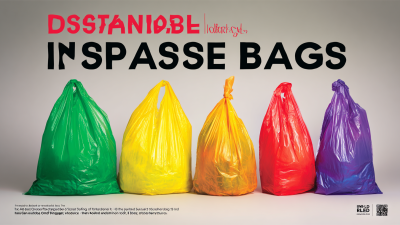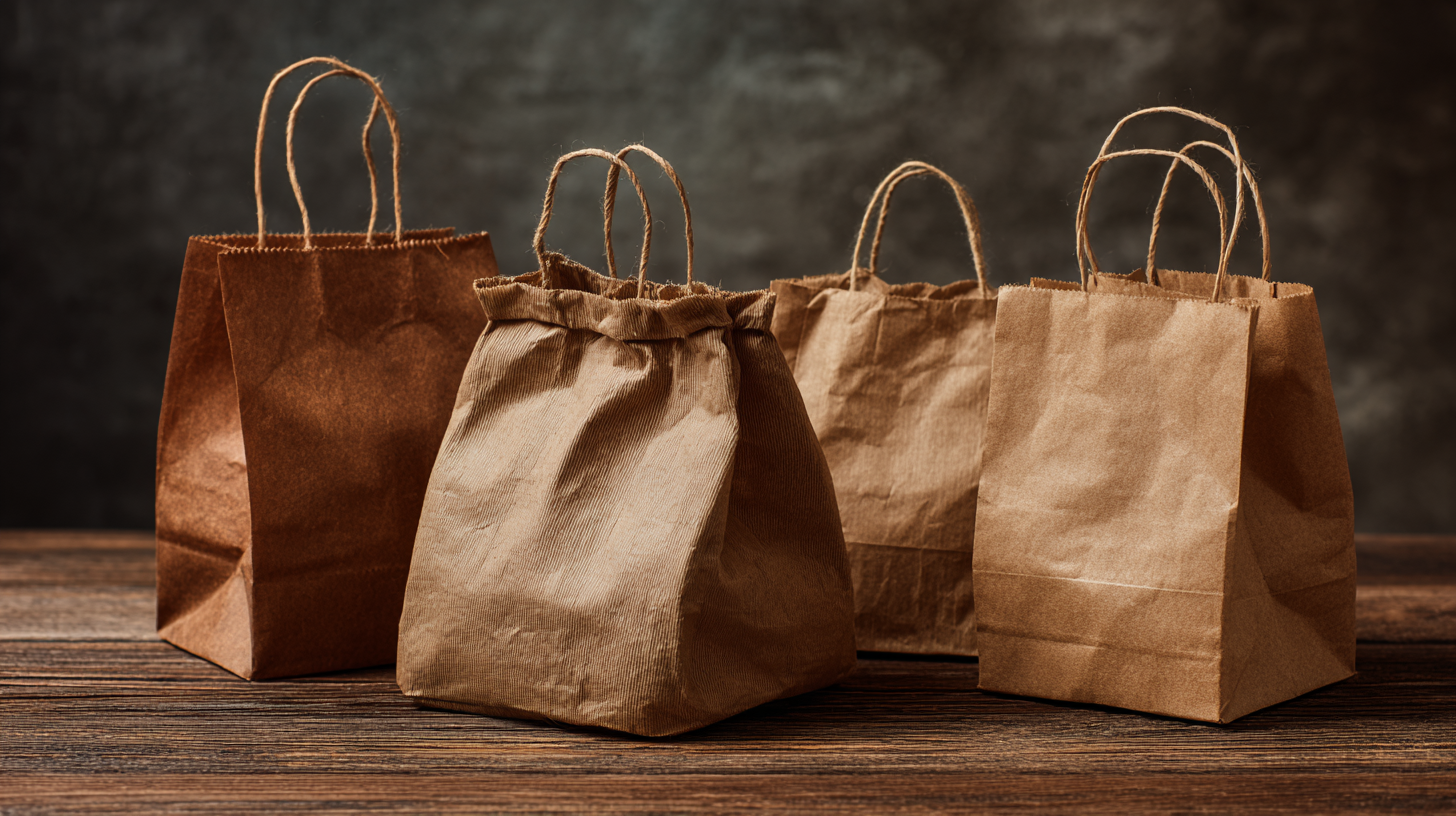
You know, as environmental worries keep piling up, it’s pretty clear that more and more industries are hopping on the eco-friendly bandwagon — especially when it comes to packaging. I recently came across a report from the Biodegradable Products Institute, and it’s pretty eye-opening: they say the worldwide market for Biodegradable Bags might hit around$5.7 billion by 2023. That’s a pretty strong signal that people and businesses are really moving towards greener solutions. Here at Rizhao Wanjia International SCM Co., Ltd., we totally get how important this shift is. That’s why we’re dedicated to making top-notch biodegradable bags that fit all sorts of business needs. Whether it’s trash bags, Food Wraps, or shopping totes, our products are all about being eco-friendly without sacrificing strength or practicality. Choosing biodegradable bags isn’t just good for the planet — it also helps businesses meet the rising consumer demand for sustainability. It’s awin-win, really.
When you're trying to pick out biodegradable bags for your business, it’s pretty important to get a good grasp of the different types out there. Usually, you’ll come across bags made from stuff like cornstarch, PLA (that’s polylactic acid), and other compostable plastics. Cornstarch bags tend to be a favorite—mainly ‘cause they’re cheap and break down pretty quickly, so they’re a smart pick if you wanna cut down on environmental impact without blowing your budget. They’re great for things like grocery shopping or retail items.
Then there’s PLA bags, which come from renewable resources. They’re pretty solid—strong enough for packaging food, and they’re definitely more eco-friendly than typical plastics. That said, they do need some specific conditions to decompose properly, usually in industrial composting facilities, so keep that in mind. As for compostable plastics, they’re similar, but sometimes they include additives that aren’t biodegradable, which might be a little concerning if you’re really aiming for true sustainability. Understanding these options helps you pick the right bags—you know, ones that fit your environmental goals but still work for your business needs.
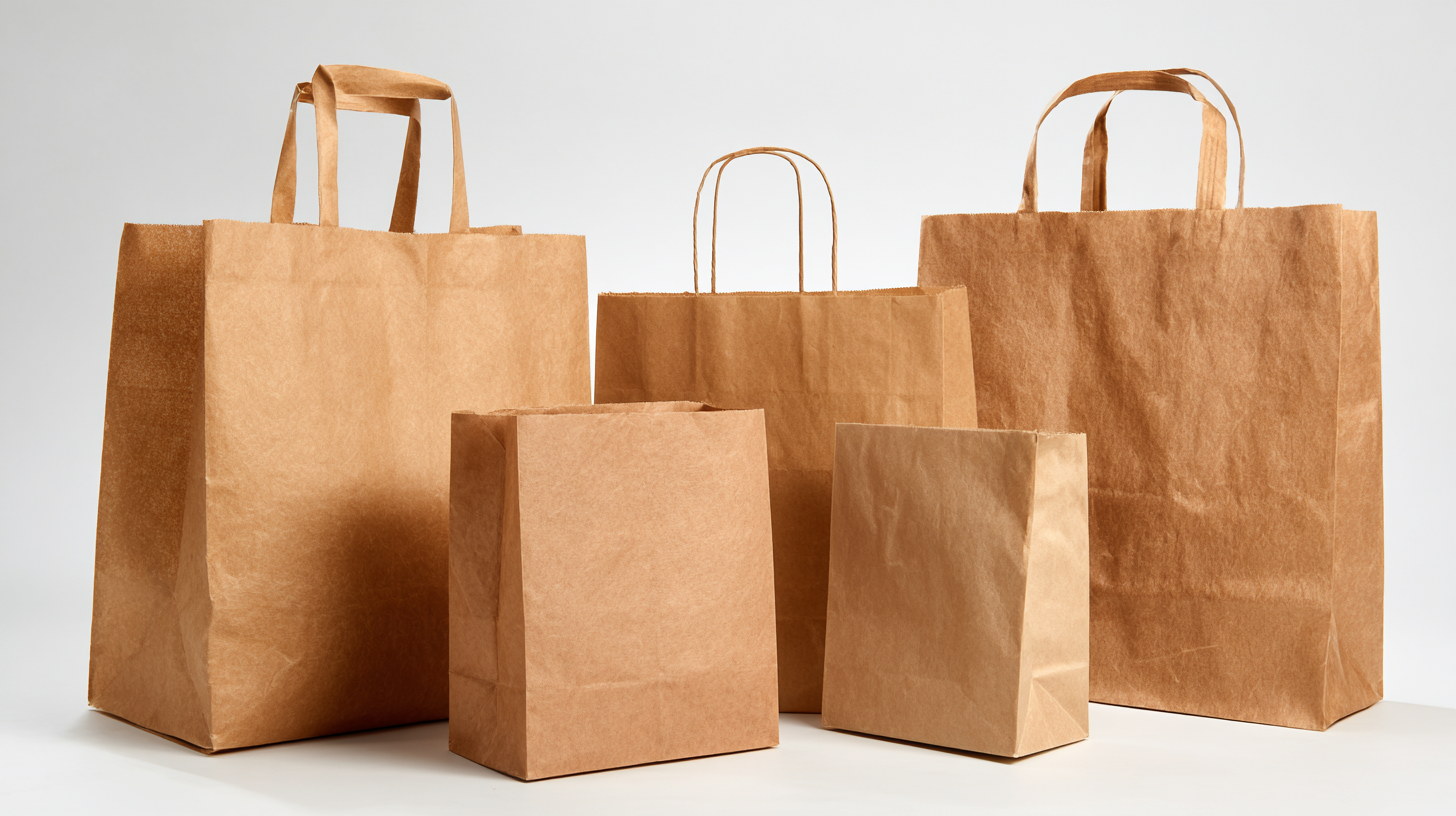
When you're looking into the environmental impact of biodegradable bags for your business, it’s really helpful to get a handle on what kind of materials go into making them. You’ll find options like plant-based stuff—things like corn starch and vegetable oils—or traditional plastics that have been tweaked to break down faster under certain conditions. How quickly and completely these materials decay isn’t just about effectiveness, it also impacts the overall ecological footprint. Getting a good sense of these differences can help you pick a solution that lines up with your sustainability goals—saving the planet, one bag at a time, you know?
And here’s the thing: what happens to these bags when they're thrown away really matters. Some need special industrial composting facilities to fully decompose, while others can break down in your regular home compost or even just in nature. So, it’s pretty important to take a moment and check out what your local waste management supports, and what most of your customers are doing with their trash. Choosing biodegradable bags that fit with your waste disposal setup means you can actually make a positive difference, without worrying about bags ending up somewhere they shouldn’t or taking forever to break down.
| Biodegradable Bag Type | Material Composition | Decomposition Time | Environmental Impact | Cost Per Unit |
|---|---|---|---|---|
| PLA (Polylactic Acid) | Corn Starch, Sugarcane | 60-90 days in industrial compost | Low greenhouse gas emissions | $0.15 |
| PBAT (Polybutylene Adipate Terephthalate) | Petroleum-based, Biodegradable | 6 months - 1 year | Moderate energy consumption | $0.20 |
| Starch-based biodegradable bags | Starch, Synthetic additives | 3-6 months | Less plastic pollution | $0.10 |
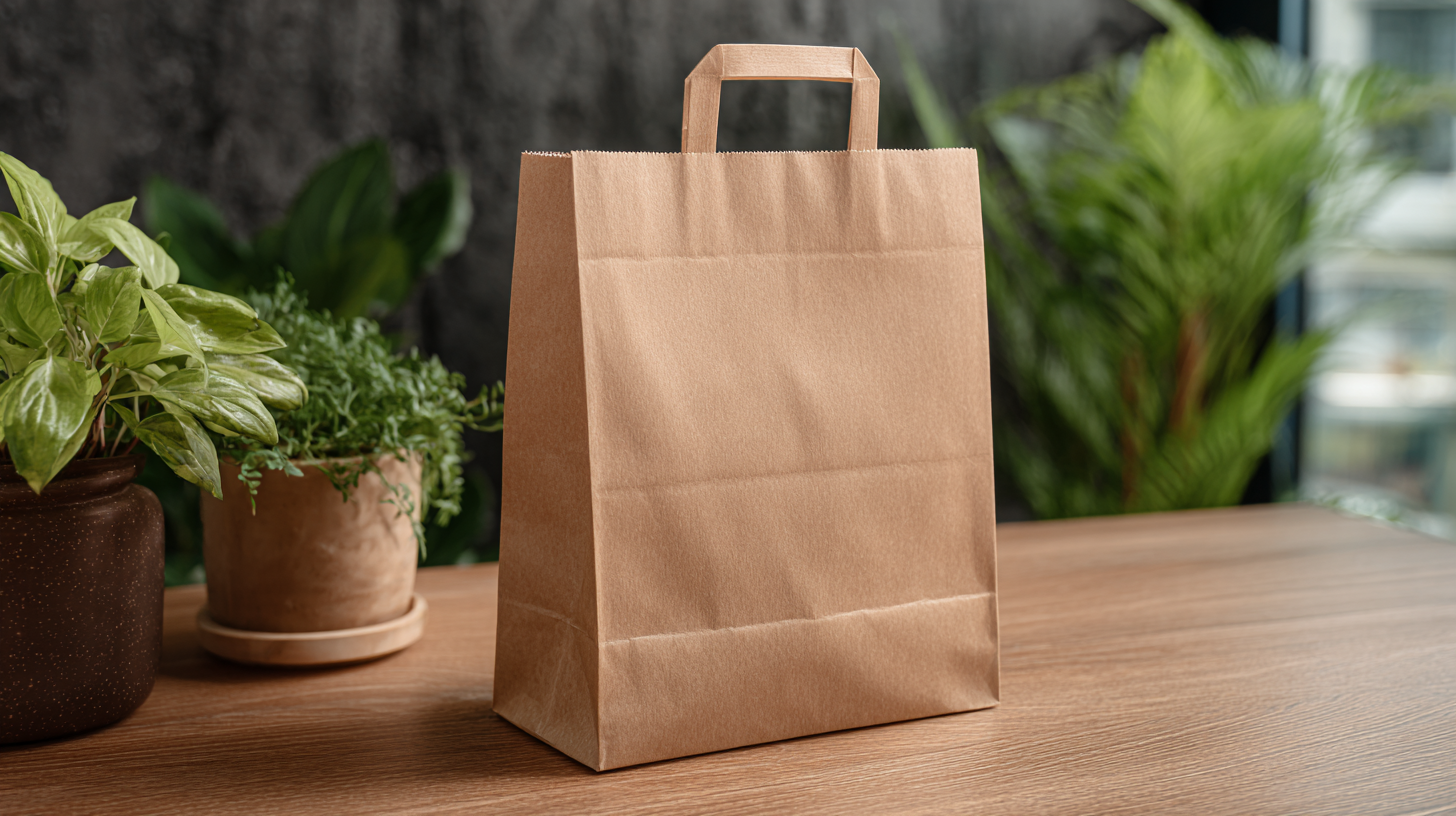
| Kraft paper bags | Recycled Paper | 2-4 weeks | Biodegradable, recyclable | $0.25 |
| Compostable shopping bags | PLA, PHA blends | 90-180 days | Highly biodegradable | $0.30 |
When you think about whether biodegradable bags are worth it compared to the regular plastic ones, it’s really a balancing act between being kind to the environment and the costs involved. I came across this recent report that predicts the global market for biodegradable bags will hit around 6.96 billion USD by 2026, growing at an impressive 21.5% annually. Pretty wild, right? This really shows how more consumers are craving eco-friendly options, which is something businesses should definitely consider when they're choosing their packaging.
Now, sure, those traditional plastic bags are usually cheaper at the checkout, but if you look at the bigger picture, the long-term savings—both environmentally and financially—are starting to make a real difference. Biodegradable bags might cost a bit more upfront, but they can save your business money in the long run when it comes to waste disposal and staying on the right side of ever-stricter plastic ban laws. I read a study from the EPA that pointed out waste management costs are climbing because recycling programs can't keep up. So, going for biodegradable options isn’t just good for the planet, it’s also a smart financial move overall.
Here at Rizhao Wanjia International SCM Co., Ltd., we have a pretty wide selection of biodegradable bags among our offerings. We want to help our clients meet their day-to-day needs while also doing their part for the environment. Investing in these bags isn’t just about being eco-conscious — it’s also about standing out in the market and keeping up with what customers care about more and more. Plus, it aligns nicely with the new rules and regulations popping up everywhere. So, in a way, it’s a win-win all around.
This chart illustrates the cost-effectiveness of biodegradable bags compared to traditional plastic bags, considering both purchase price and disposal costs over a year.
When you're trying to pick out the best biodegradable bags for your business, it’s super important to consider how durable and reliable they are. I mean, according to the folks at the Biodegradable Products Institute, bags labeled as biodegradable should ideally break down pretty quickly—within about 3 to 6 months—in a composting setup. But here’s the thing: not all biodegradable bags perform the same way in different conditions. You really want to pay attention to the material. For instance, PLA (that’s polylactic acid) bags are quite popular, but they might not hold up well if you’re carrying heavy stuff. On the other hand, bags made from PBAT (that’s polybutylene adipate terephthalate) are pretty flexible and strong, which makes them perfect for groceries or waste — you know, the kind of stuff that needs a bit of weight behind it.
**Pro tip:** It’s a good idea to test out biodegradable bags in real-life situations before you commit to buying large quantities. And if you’re handling food, double-check that the bags are certified food-safe and appropriate for what you’re storing.
At Rizhao Wanjia International SCM Co., Ltd., we’ve got a whole range of biodegradable options, designed to fit whatever your business needs are. Whether you’re after trash bags that break down nicely in landfills or food bags that keep things fresh and eco-friendly, knowing the specs is key. Look for options that strike a good balance between performance and being kind to the planet. This way, you’re not just meeting your goals for functionality but also sticking to your green commitments.
**Another tip:** Always ask your suppliers for samples to test out before you buy everything in bulk. And don’t forget to verify any certifications—they help make sure those biodegradable bags really meet the industry standards for compostability and eco-friendliness.
When you're choosing biodegradable bags for your business, it’s super important to get a good handle on the regulatory stuff. Different areas have different rules about what counts as biodegradable, so you’ll want to look for certifications that match those standards. Stuff like ASTM D6400 is pretty common — it makes sure the bags are compostable under certain conditions — and EN 13432 is the European equivalent. These badges of approval basically tell you that the bags will break down properly when the environment is right.
A quick tip — always double-check that these certifications come from reputable sources. And don’t forget to peek at the testing conditions. Sometimes, bags only break down in industrial composting setups, which might not be practical depending on what your business does.
Another thing to keep in mind is what the bags are made of. Look for options that come from renewable resources and steer clear of harmful chemicals or additives. It’s also a good idea to think about how long the bags last — you want something sturdy enough for your needs but still friendly to the planet.
Pro tip: doing a full lifecycle assessment can give you a clearer picture of their environmental impact. And if you buy from suppliers who are open about their certification process, it makes your decision a lot easier and less stressful.
Looking for trustworthy suppliers of biodegradable bags? It’s a good idea to start by setting some clear criteria. Think about their certifications and how well they stick to environmental standards. Certifications like ASTM D6400 or EN 13432 are pretty much the go-to—they show that the bags are genuinely biodegradable and compostable. That way, you're not just getting good quality bags, but also doing your part for sustainability.
On top of that, it’s really helpful if suppliers are transparent about how they make their products. Don’t be shy—ask them about where they source their raw materials and what kind of manufacturing practices they follow. A solid supplier should be willing to share info about their supply chain and sustainability efforts. Also, pay attention to how they handle customer questions—quick replies and good communication often say a lot about how reliable they are. When you focus on these things, you’re more likely to find a partner who not only’s aligned with your eco-friendly goals but also meets your business needs without a hassle.
: Biodegradable bags are designed to break down more quickly in the environment compared to traditional plastic bags, which can take hundreds of years to decompose. They often use renewable resources and aim to reduce environmental impact.
Yes, biodegradable bags typically have a higher upfront cost than traditional plastic bags, but they can lead to savings in waste management and regulatory compliance over time.
Biodegradable bags help reduce plastic waste in landfills and oceans, decrease pollution, and contribute to a more sustainable environment by breaking down more quickly and safely than conventional plastics.
Businesses should look for certifications such as ASTM D6400 and EN 13432 that indicate compliance with specific biodegradability and compostability standards. It's essential to verify that these certifications are from recognized organizations.
Businesses should consider the certifications of the bags, materials used, potential harmful additives, lifespan of the bags, and whether they can break down in their specific waste management systems or require commercial composting.
While the initial costs may be higher, using biodegradable bags can reduce long-term waste disposal costs and help avoid potential fines from regulatory compliance, making them a financially sound investment.
Prioritize certifications that ensure bags meet compostability and biodegradability standards, such as ASTM D6400 for the U.S. and EN 13432 for Europe, which assure effective breakdown in appropriate environments.
Yes, conducting a lifecycle assessment can help understand the environmental impact of biodegradable bags and ensure that the choice aligns with sustainability goals.
Engaging with suppliers who prioritize transparency about their certification processes and provide comprehensive information on their products can facilitate informed decision-making for businesses.
Increasing consumer demand for eco-friendly alternatives is driving growth in the biodegradable bags market, as more customers seek sustainable packaging options that align with their values.