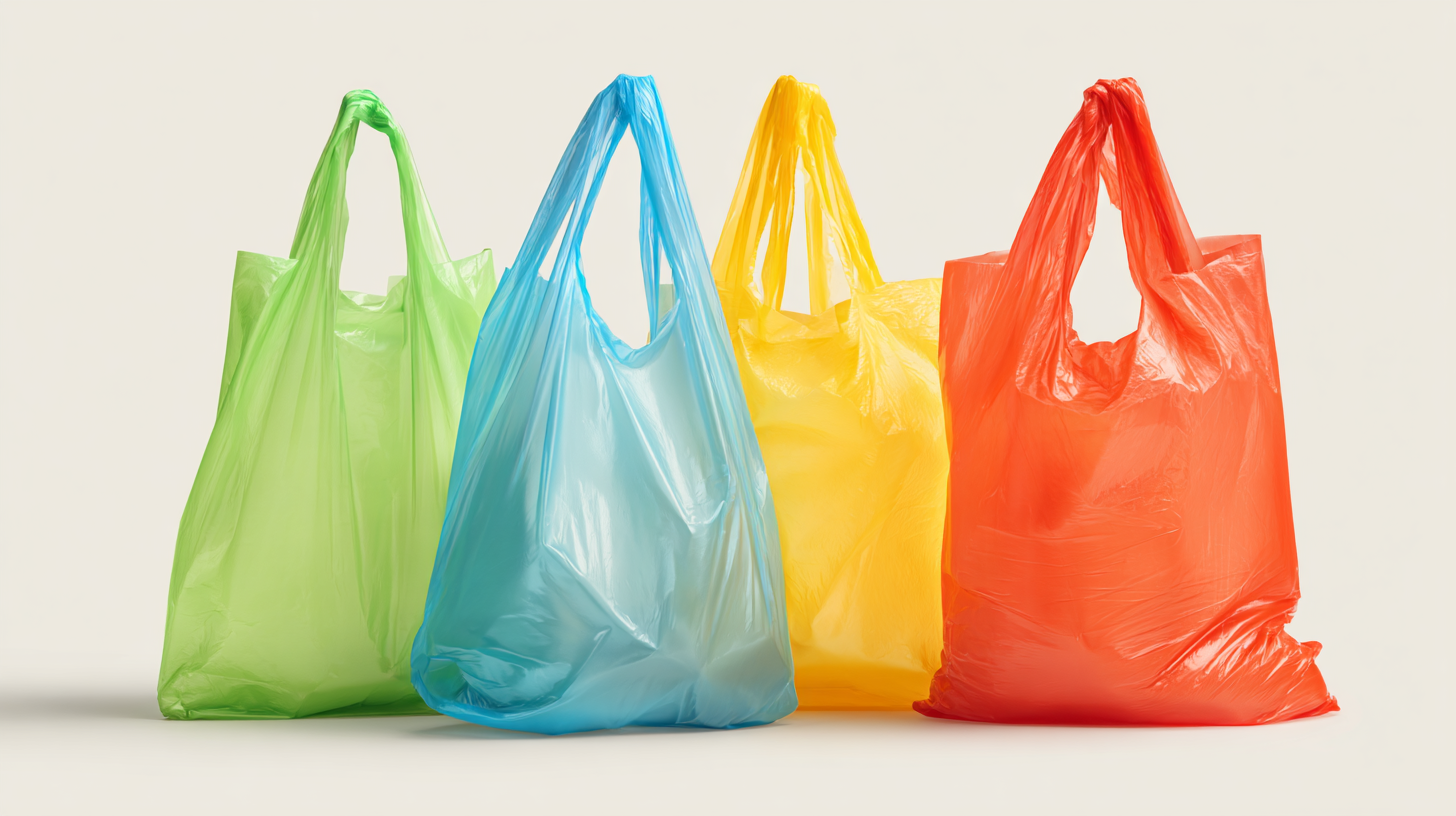
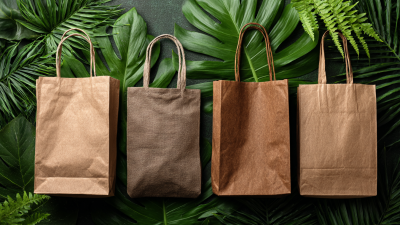
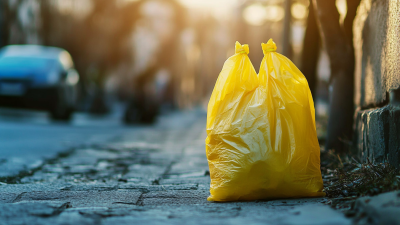
You know, as the world struggles with the huge environmental mess caused by traditional plastic bags, finding new, better solutions has never been more important. I recently read that in 2020 alone, the U.S. produced over 4.4 million tons of plastic bags, sacks, and wraps—that really shows just how much single-use plastics are impacting our planet. At Rizhao Wanjia International SCM Co., Ltd., we totally get how serious this issue is. That’s why we’re committed to making a variety of eco-friendly plastic bags, including options that help lessen the damage caused by regular plastics. But it’s not just about bags—we also offer several Disposable Products designed with the environment in mind. Our goal is to push forward with greener, more sustainable solutions, so that our business supports the global effort to cut down plastic waste and create a cleaner, healthier planet for everyone.
Challenges of Plastic Pollution: Understanding the Environmental Impact
Plastic pollution is a huge problem that’s really messing with ecosystems and putting biodiversity at risk, both on land and in the water. Lately, studies have been pointing out how plastics are introducing toxic substances into habitats, messing up the natural balance of things. For example, animal wildlife often end up eating plastic debris or getting tangled up in it, which can lead to declining populations. The Global Environment Facility keeps stressing that plastic pollution isn’t going away and is a problem around the world — affecting countless species, their homes, and even hitting our oceans’ health pretty hard.
On top of that, the whole global plastics supply chain is pretty complex, and that makes finding solutions tricky. Making traditional plastics takes a lot of resources and releases greenhouse gases, adding to climate change. Experts say tackling microplastics and nano plastics needs a multi-pronged approach — involving scientists, governments, industry folks, and everyday people. Luckily, bioplastics are catching some attention as potential substitutes, but there are still hurdles when it comes to scaling up and making sure we’re doing it sustainably. As the fight against plastic pollution heats up, it’s clear that teamwork across different sectors is key. We need to work together to find real solutions that protect our ecosystems and our health at the same time.
The Economic Burden of Conventional Plastic Bags on Communities
You know, regular plastic bags might be super handy, but they really take a toll on communities financially. The amount of money local governments shelve out for cleaning up, recycling, and disposing of these bags is pretty staggering—really, it’s millions each year. And honestly, that money could be better spent on other important things. Plus, the environmental side of things isn’t great either—wildlife suffers, ecosystems get hurt, and all that can mean less tourism and fewer local dollars coming in. It’s clear that relying on plastic bags isn’t a sustainable choice for any community.
To cut down on these costs and environmental issues, lots of communities are encouraging folks to switch over to reusable bags. Simple things like offering discounts or loyalty points when people bring their own bags can really motivate folks to make the switch. Local leaders can also run awareness campaigns—knock on doors, post on social media, you name it—to help people understand just how costly and damaging plastic bags really are. When everyone’s on the same page about sustainability, it’s easier to reduce dependence on harmful plastics and build a stronger, more resilient community.
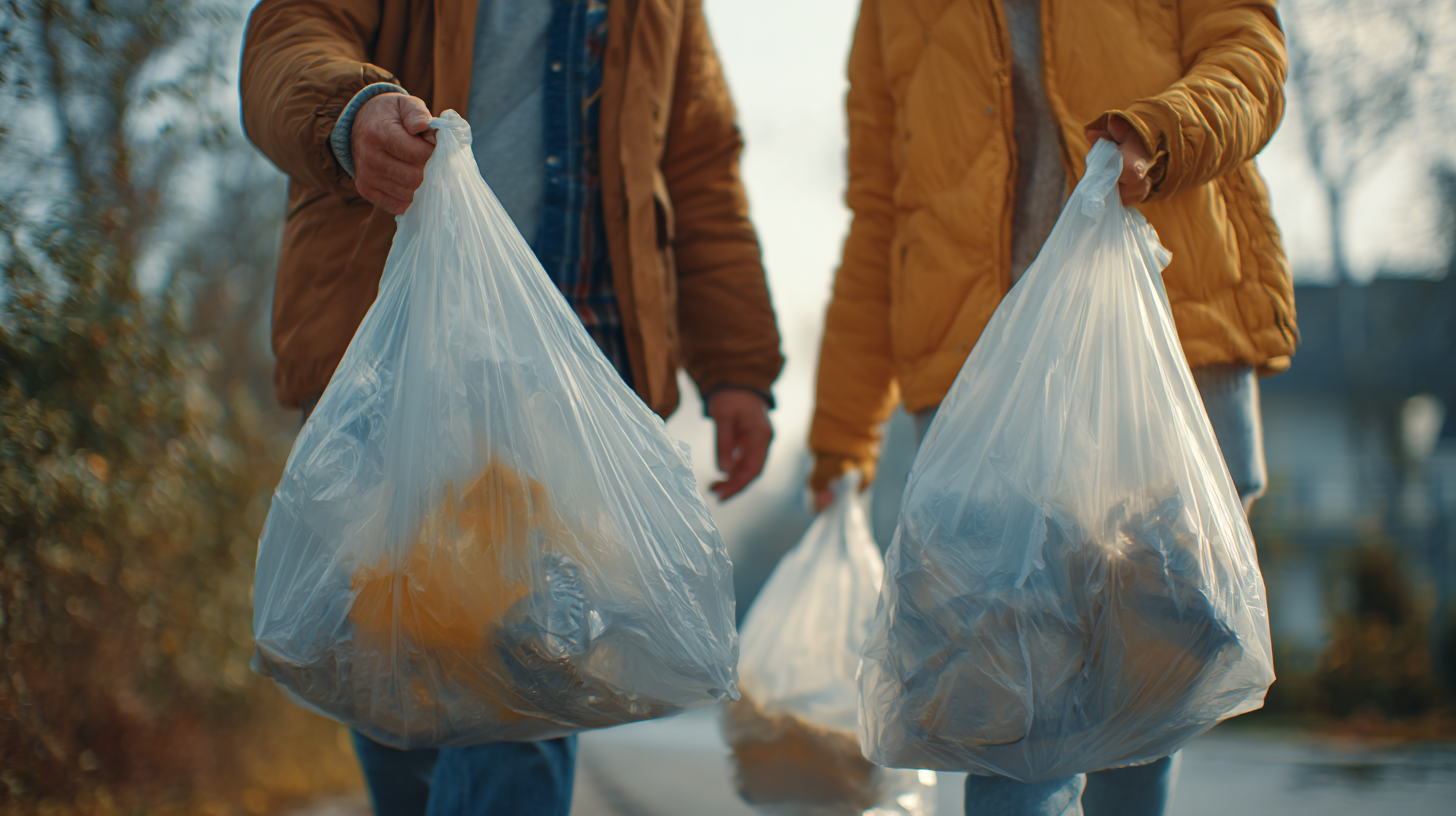
Another smart move is to support biodegradable alternatives. When local businesses stock eco-friendly bags, it not only cuts down on waste but can also open up new business opportunities. Turns out, investing in these greener options might save money in the long run and create a healthier environment. Bottom line: making eco-friendly choices isn’t just good for the planet—it’s good for our wallets and communities too.
Alternatives to Conventional Plastic: Exploring Eco-Friendly Solutions
You know, as we all start realizing just how much traditional plastic bags are messing with our planet, more and more folks are hunting for better, greener alternatives. Those plastic bags? Super handy and long-lasting, sure. But they also have a pretty shady side—causing tons of pollution, harming wildlife, and taking hundreds of years to fully break down. Because of that, looking into eco-friendly options has never been more urgent.
One pretty promising idea is wasDegradable Bags made from natural stuff like cornstarch. They break down way faster than regular plastics—pretty neat, right? Then there are reusable bags crafted from organic cotton or recycled materials—designed to last through countless uses and help cut down waste. Oh, and I’ve read about some cool innovations too—like bags made from mushrooms or seaweed. It’s exciting to think that someday, packaging can be both functional and gentle on the environment.
Switching to these alternatives isn’t just about tackling plastic waste today; it’s about making a real shift towards living more sustainably. It kind of nudges us all to rethink our daily choices, for the sake of a healthier, happier planet.
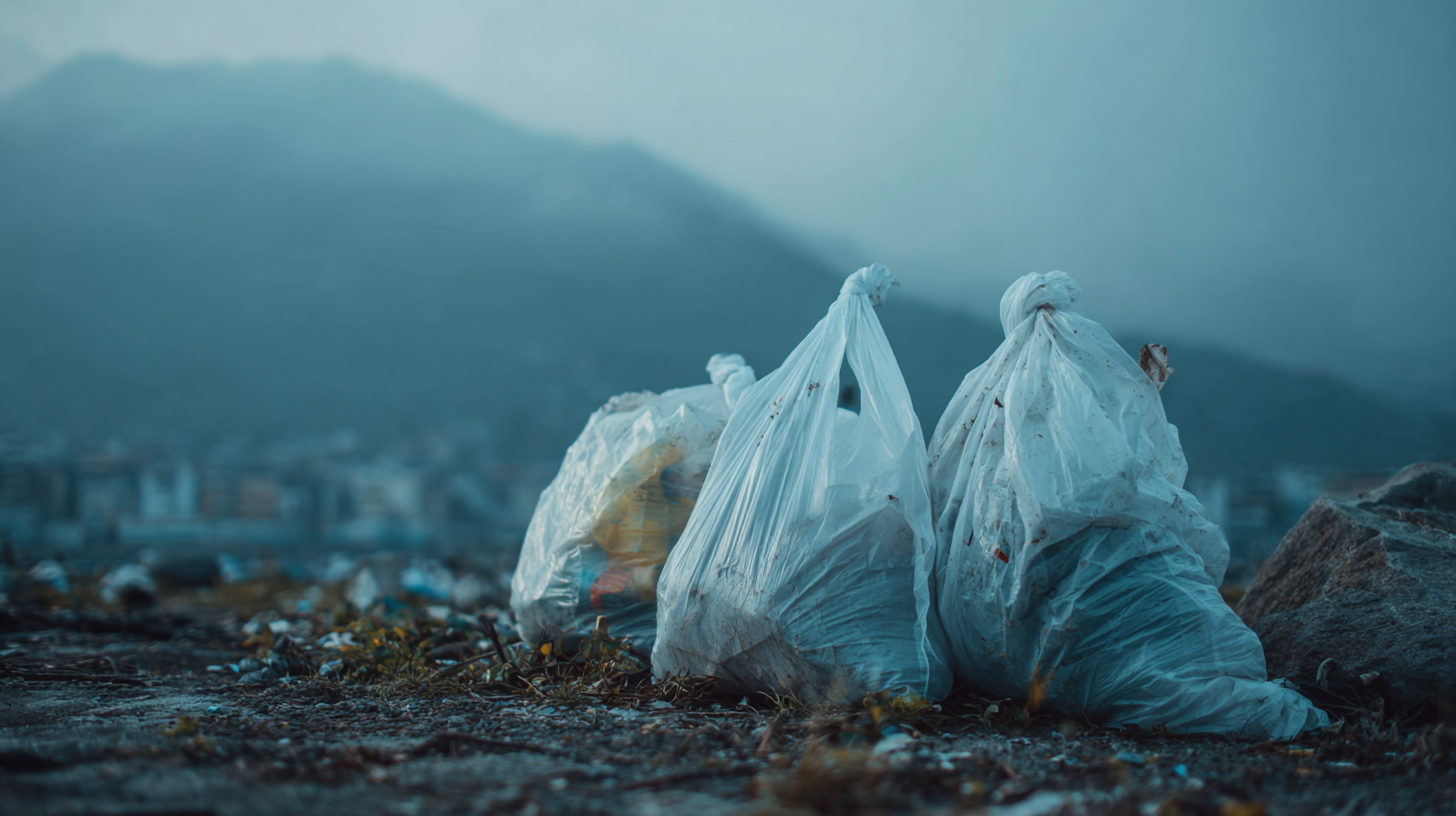
Policy Changes: The Role of Government in Reducing Plastic Bag Usage
Lately, there's been a lot more talk about environmental sustainability, and it’s really made people take a closer look at traditional plastic bags. As a company that produces all sorts of plastic products—things like garbage bags and food bags—we at Rizhao Wanjia International SCM Co., Ltd. totally get that government policies play a huge role in reducing plastic waste. Did you know? The UN Environment Programme recently shared that around a trillion plastic bags are used around the world each year—that’s a staggering amount and a big contributor to pollution and waste issues. Because of this, governments everywhere are starting to roll out new rules—like banning single-use plastic bags or encouraging biodegradable options—to nudge us toward more eco-friendly choices.
As folks working in this industry, we really need to adapt, right? One smart move would be shifting towards bio-based or compostable materials for our products—not only does this help us stay in line with new regulations, but it also speaks to the growing number of consumers who care about the planet. Plus, getting involved in local policies and community clean-up efforts can make a real difference. Staying in the loop about local laws and participating in these initiatives really shows that we’re serious about sustainability and valuing our communities.
Challenges Posed by Conventional Plastic Bags vs Eco-Friendly Solutions
Consumer Awareness: Educating the Public on Plastic Bag Alternatives
Even though more people are becoming aware of how bad plastic bags are for the environment, you still see a lot of wealthy Indians sticking with using them. It’s kinda ironic, right? It really makes you wonder about people’s habits and whether all those awareness campaigns actually make a difference. Sure, spreading the word and educating folks is important, but at the end of the day, it’s not enough just to tell people what’s wrong — we need to see some real change in how communities behave. It’s about moving beyond awareness to actually changing practices, highlighting just how harmful plastic can be and encouraging simple, practical alternatives.
When it comes to choosing bio-based or biodegradable plastics, things get pretty complicated. Our research showed that people don’t all feel the same about these options — their personal beliefs and values really matter. Plus, someone’s socioeconomic background plays a big role in how much they know about or use these eco-friendly options. For example, folks in lower-income brackets often don’t have much awareness or access to sustainable choices. So, fighting the plastic problem isn’t just about pushing one solution — it’s about taking a layered approach that includes tailored education for different groups and promoting green solutions that actually fit into people’s lifestyles and what they need day-to-day.
Challenges Posed by Conventional Plastic Bags in the Era of Eco Friendly Solutions - Consumer Awareness: Educating the Public on Plastic Bag Alternatives
| Challenge | Description | Alternative Solutions | Consumer Awareness Level (%) |
| Environmental Pollution | Plastic bags contribute to landfills and ocean pollution. | Reusable bags, biodegradable bags. | 65% |
| Wildlife Harm | Animals often ingest or get entangled in plastic bags. | Plant-based bags, paper bags. | 70% |
| Sustainability Issues | Production of plastic bags leads to resource depletion. | Compostable bags, upcycled materials. | 58% |
| Limited Recycling | Only a small percentage of plastic bags are recycled. | Encourage recycling programs and initiatives. | 50% |
| Public Misconceptions | Many consumers believe plastic bags are easily recyclable. | Educational campaigns about recycling truths. | 75% |
Innovative Strategies for Reducing Plastic Bag Consumption in Retail
These days, if you’re paying attention to retail, you’ve probably noticed that everyone’s talking about going green. The push to cut down on plastic bag use is really picking up steam, and it’s pretty exciting to see the impact. Recent reports show that when states pass strong bans on plastic bags, it actually makes a big difference—billions fewer bags are ending up as waste across the US. For example, one big study found that places with strict bag bans saw a noticeable drop in trash along beaches, which kind of proves that these policies really do help the environment.
For retailers, coming up with creative, eco-friendly solutions is more important than ever. Switching to biodegradable materials can cut down microplastic pollution by around 15%, which is a step in the right direction. To get customers on board with reusable bags, stores might want to offer rewards or discounts when folks bring their own or buy products with eco-friendly packaging. Little incentives can make a big difference.
Here are some simple tips to cut down on plastic bag usage:
- Make it easy for shoppers to grab reusable bags at checkout—maybe keep some nearby!
- Use in-store signs and social media to spread the word about how harmful single-use plastics really are.
- Team up with local groups to organize community clean-up events—stuff like that really drives home the message that we all need to do our part.
It’s not just about regulations, but about getting everyone involved and making sustainable choices a normal part of shopping. Every little effort adds up!
Maximizing Packaging Efficiency: Insights from Industry Reports on PE Plastic Clear Waterproof Films in Supply Chain Management
In the realm of supply chain management, packaging efficiency is paramount, especially when it comes to food preservation. Insights from industry reports underscore the importance of using high-quality materials, such as high-density polyethylene (HDPE) films, which are specifically designed to enhance the longevity of perishable goods. One standout product in this category is a flexible and durable wrap made from HDPE, boasting a thickness of just 0.01mm. This wrap creates an airtight seal that effectively prevents food oxidation and odor transfer, crucial factors in maintaining freshness during transportation and storage.
Suitable for a wide temperature range of -30°C to 110°C, this film is versatile enough for various applications, including freezing and microwaving. Whether in a household kitchen or a commercial setting, the convenience is further amplified with custom roll lengths and serrated edges that allow for easy tearing. The excellent clarity of the wrap not only ensures visibility of the contents but also elevates the presentation of stored items, making it a practical choice for businesses aiming to enhance their product appeal while managing supply chain efficiency. By integrating such efficient packaging solutions, companies can significantly improve their food safety practices and customer satisfaction.
FAQS
: Conventional plastic bags lead to significant economic burdens for communities, with local governments spending millions on waste management, recycling, and disposal. This diverts funds from essential services and negatively impacts tourism and local revenue.
Communities can promote reusable bags by offering consumer incentives like discounts or loyalty points, and by organizing educational campaigns to raise awareness of the financial and environmental costs of plastic bags.
Eco-friendly alternatives include biodegradable bags made from natural materials, reusable bags made from organic cotton or recycled materials, and innovative options like mushroom-based and seaweed-derived bags.
Well-implemented plastic bag bans have been shown to dramatically reduce bag usage in the U.S., leading to significant decreases in shoreline litter and other environmental improvements.
Retailers can transition to biodegradable polymers, encourage reusable bag adoption through reward programs, and offer discounts for eco-friendly packaging to align with sustainability goals.
Shoppers can be educated through in-store signage, social media campaigns, and collaborations with local organizations for community clean-up events to enhance awareness of the environmental impacts of single-use plastics.
Biodegradable bags, made from materials like cornstarch, decompose much faster than traditional plastics, helping to mitigate pollution and reduce waste in landfills.
Embracing eco-friendly solutions can lead to cost savings, healthier environments, and new market opportunities, enhancing economic resilience while promoting sustainability.
Incentives such as discounts or loyalty points can effectively motivate consumers to use reusable bags instead of conventional plastic ones.
Conclusion
You know, the growing problems caused by traditional plastic bags really highlight how urgent it is to find eco-friendly alternatives. Plastic pollution has such a huge impact on our environment—it's damaging land, skies, oceans—you name it. And honestly, local communities end up footing the bill for managing all this waste, which is a big reason why more folks are looking into green options like eco-friendly plastic bags. Governments also have a big part to play here—by putting policies in place to cut down on plastic bag use and encouraging both businesses and shoppers to think more sustainably.
At Rizhao Wanjia International SCM Co., Ltd., we're passionate about making a difference. We produce all kinds of plastic bags, including those eco-friendly ones that help support environmental goals. We also believe in spreading the word—educating consumers about the benefits and where to find greener alternatives. Together, we can make a real dent in plastic consumption, especially in retail shops. Putting sustainability front and center isn't just good for the planet; it actually helps boost local economies too. Basically, choosing eco-friendly options isn’t just about saving the environment; it’s a win for everyone—people, communities, and the Earth alike.