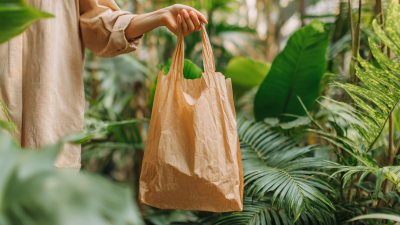
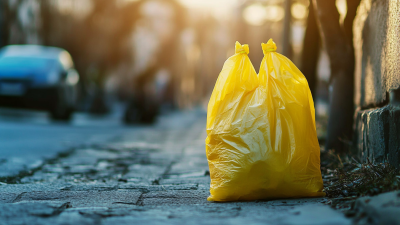
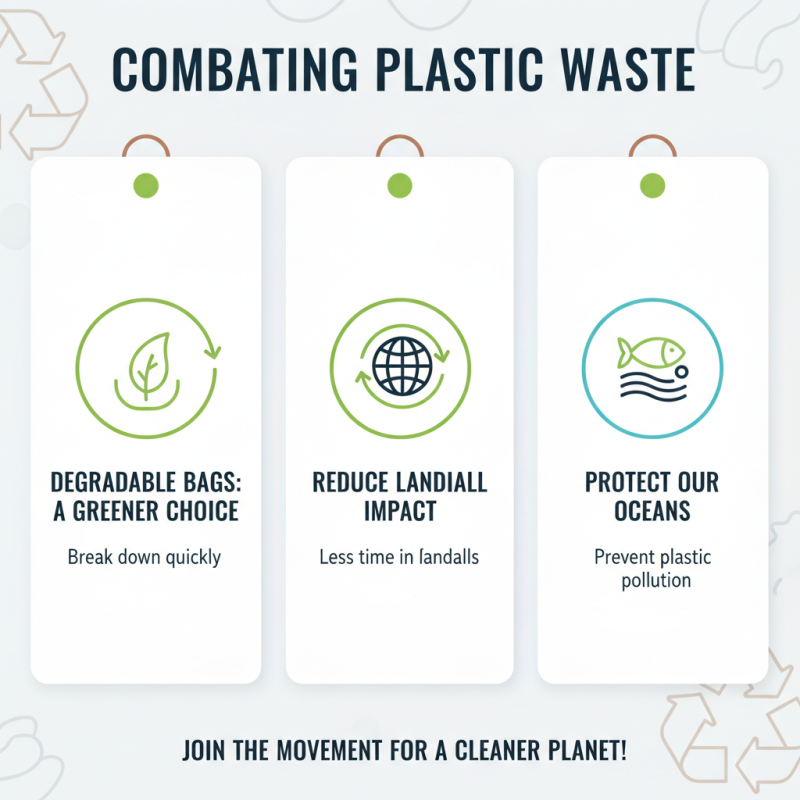
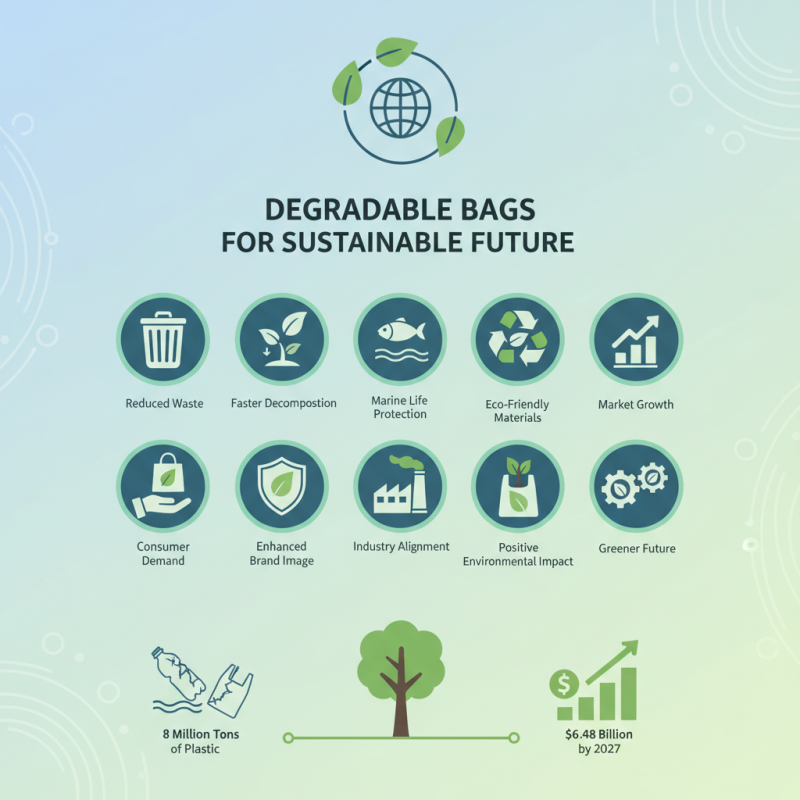
Lately, the surge in global plastic pollution has really got many industries thinking about greener alternatives that won’t hurt the environment so much. You’ve probably heard about Biodegradable Bags—they’re made from materials that break down faster than your average plastic. Honestly, they seem like a pretty promising way to tackle the huge pile of waste we’re creating. According to a report by the Ellen MacArthur Foundation, around 8 million tons of plastic end up in our oceans every year—that’s just staggering and really bad news for marine life and ocean ecosystems. Using these degradable bags can make a big difference because they’re designed to decompose much faster than traditional plastics, which can stick around for hundreds of years, causing all sorts of problems.
On top of that, the market for biodegradable and eco-friendly products is booming. A report from Grand View Research, Inc., predicts it’ll hit around $6.48 billion by 2027. That’s a clear sign that people are more aware now and really want packaging solutions that are kinder to our planet. For businesses, jumping on the bandwagon with degradable bags isn’t just about being eco-friendly—it’s also a smart move for your brand. It shows you care and can actually boost your reputation among consumers who value sustainability. Basically, making the switch to these innovative products isn’t just good for the environment, but it also helps push industries toward a greener, healthier future. It’s a small change that could have a pretty big impact, right?
The Concept of Degradable Bags and Their Environmental Impact
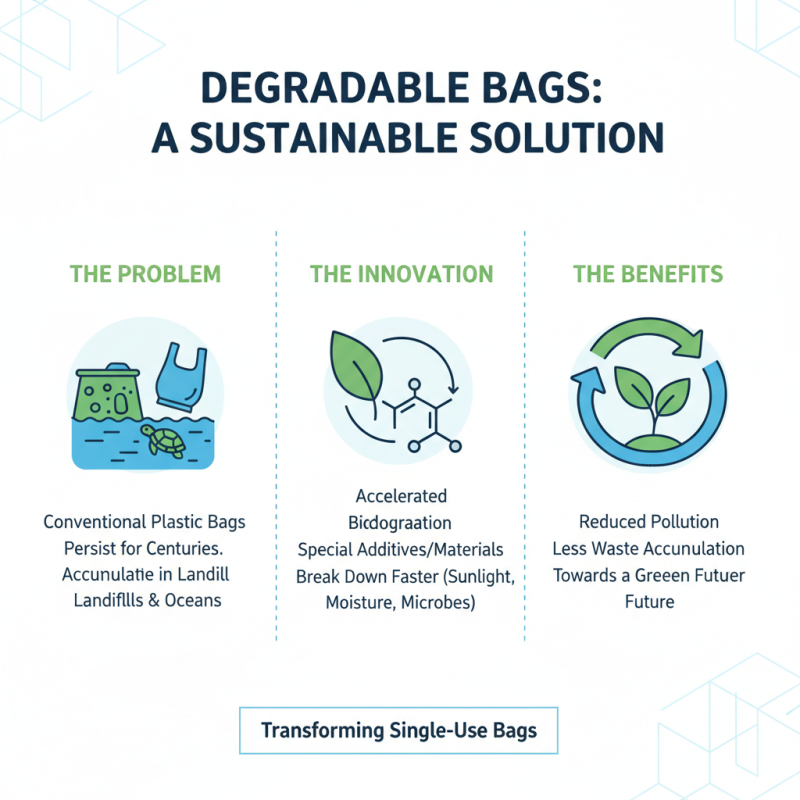
Degradable bags represent a promising innovation in addressing the pressing environmental challenges posed by conventional Plastic Bags. These bags are designed to break down more quickly in the environment compared to traditional plastics, which can persist for centuries. The concept behind degradable bags typically involves the incorporation of additives or the use of materials that allow for accelerated biodegradation when exposed to natural elements like sunlight, moisture, and microbial activity. This valuable trait helps to mitigate the accumulation of plastic waste in landfills and oceans, transforming the lifecycle of single-use bags into a more sustainable process.
The environmental impact of degradable bags extends beyond their breakdown time. By utilizing materials derived from renewable resources, such as starch and plant-derived polymers, these bags often present a lower carbon footprint during production compared to their conventional counterparts. Additionally, when they do break down, they can contribute to soil health rather than detract from it, potentially enriching the soil rather than introducing harmful pollutants. This makes degradable bags an essential component of a larger strategy aimed at fostering sustainable consumption patterns and reducing the overall demand for resources that contribute to environmental degradation.
Reduction of Plastic Waste Through Degradable Bags
The reduction of plastic waste is one of the foremost challenges facing our planet today. Degradable bags offer a promising alternative to traditional plastic bags, which are notorious for their long-lasting environmental impact. These innovative bags are designed to break down more quickly when exposed to specific environmental conditions, significantly decreasing the time they remain in landfills or natural habitats. By incorporating materials that encourage biodegradation, these bags contribute to a decrease in litter and prevent harmful plastic accumulation in oceans and ecosystems.
Moreover, the use of degradable bags promotes a shift in consumer behavior towards more sustainable practices. As people become more aware of the environmental ramifications of plastic waste, the adoption of degradable options encourages responsible disposal and a reduction in overall plastic usage. Communities and businesses that embrace degradable bags not only help mitigate pollution but also set a precedent for environmental stewardship. This collective effort fosters a culture of sustainability, emphasizing the importance of making conscious choices that benefit the planet for future generations.
Biodegradable vs. Traditional Plastic: Key Differences
The debate between biodegradable and traditional plastic bags is pivotal in the quest for a sustainable future. Traditional plastic bags, composed of high-density polyethylene, can take hundreds of years to decompose, leading to significant environmental harm. According to the United Nations, approximately 300 million tons of plastic are produced each year, with a substantial portion ending up in oceans and landfills, affecting wildlife and ecosystems. In contrast, biodegradable bags are designed to break down more rapidly, typically within a few months to a couple of years, depending on environmental conditions. They are often made from plant-based materials, which not only reduces reliance on fossil fuels but also ensures that when they decompose, they contribute beneficial nutrients back into the soil.
When choosing between these options, it's essential to consider longevity and environmental impact. Research published in the journal Environmental Science & Technology highlights that while biodegradable bags can significantly reduce waste in landfills, they require specific conditions to degrade effectively. Therefore, using them in composting facilities or ensuring they are properly disposed of is crucial.
Tips for Transitioning to Sustainable Options:
1. Prioritize the use of biodegradable bags when shopping, but ensure you are disposing of them correctly to maximize their benefits.
2. Educate yourself and others in your community about the importance of reducing traditional plastic usage and the benefits of biodegradable alternatives.
3. Consider using reusable bags to further diminish reliance on both biodegradable and traditional plastics, promoting a zero-waste lifestyle.
Economic Advantages of Switching to Degradable Bags
Switching to degradable bags presents significant economic advantages that can contribute to long-term sustainability. According to a report by the Global Analysis of Environmental Impact, the widespread adoption of biodegradable materials could reduce plastic pollution costs significantly. The United Nations Environment Programme estimated that transitioning to degradable options could save municipalities over $300 million annually in waste management expenses. This figure illustrates the potential for cost savings not just for cities but also for consumers, as reduced waste leads to lower disposal fees and encourages local economies to invest in greener technologies.
Moreover, the shift towards degradable bags could stimulate job creation in the green materials sector. A study conducted by the Green Jobs Initiative reports that for every 10,000 tons of plastic replaced with biodegradable materials, approximately 2.5 jobs are generated in manufacturing, waste collection, and recycling sectors. This transition not only fosters environmental stewardship but also promotes economic resilience by diversifying local job markets. With increasing consumer awareness and preference for sustainable products, businesses that adopt degradable bags are likely to enhance their competitive edge, tap into the growing eco-conscious market, and ensure compliance with emerging regulations aimed at reducing plastic waste.
Enhancing Wildlife Protection with Degradable Bag Use
The use of degradable bags plays a crucial role in enhancing wildlife protection, as they significantly reduce the environmental hazards posed by traditional plastic bags. According to a study by the United Nations Environment Programme, approximately 100 million marine animals die each year due to plastic pollution. Degradable bags, which break down into non-toxic components over time, present a viable alternative that can mitigate this impact. Transitioning to degradable options could drastically lessen the risk of ingestion and entanglement that threatens countless species in both terrestrial and marine ecosystems.
Moreover, the biodegradable materials used in these bags have been shown to decompose within months rather than the hundreds of years required for conventional plastics. Research by the Biodegradable Products Institute indicates that biodegradable and compostable products can help reduce the overall plastic waste in landfills, which is crucial for protecting habitats. When animals consume littered plastics or become trapped in them, the consequences can be dire, leading to injury or death. By opting for degradable bags, individuals can actively contribute to a healthier environment and support wildlife conservation efforts, ensuring a safer ecosystem for future generations.
Consumer Awareness and Education on Degradable Bags
Consumer awareness and education are crucial in promoting the use of degradable bags for a sustainable future. As environmental concerns grow, understanding the benefits and proper usage of degradable bags can empower consumers to make informed choices. Through educational initiatives, such as workshops, social media campaigns, and school programs, individuals can learn how degradable bags differ from traditional plastic bags, including their potential to reduce plastic pollution and their ability to break down more quickly in the environment.
Furthermore, increasing consumer knowledge about the implications of plastic waste can lead to a significant shift in purchasing behaviors. When consumers are aware of the environmental impact of their choices, they are more likely to opt for degradable options in their daily lives. Educational efforts can highlight not only the functionality and practical aspects of degradable bags but also the long-term benefits they offer to ecological health, such as protecting wildlife and reducing landfill overflow. By fostering a deeper understanding of these issues, we can create a more environmentally conscious society that values sustainability and actively seeks out solutions like degradable bags.
The Future of Degradable Bags in Sustainable Practices
The future of degradable bags is increasingly intertwined with sustainable practices as society shifts towards more eco-conscious behaviors. Recent studies indicate that the global biodegradable bags market is expected to reach USD 14.73 billion by 2026, growing at a CAGR of 15.4% from 2021 to 2026. This remarkable growth highlights the rising demand for alternative packaging solutions that minimize environmental impact. Degradable bags, made from materials such as cornstarch and other renewable resources, provide a viable option to traditional plastic bags, which contribute significantly to global pollution.
Moreover, the implementation of degradable bags aligns with various sustainable initiatives aimed at reducing plastic waste. According to the Environmental Protection Agency (EPA), approximately 9.2 million tons of plastic waste enter oceans each year, exacerbating ecological damage. Degradable bags help mitigate this issue by breaking down into non-toxic components under suitable environmental conditions, thus fostering healthier ecosystems. In cities and regions where these bags have been adopted, reports have shown a decrease in litter and an improvement in urban cleanliness, contributing to community well-being and promoting a circular economy for waste management.
Unlocking the Future of Packaging: Industry Insights and Trends in Durable Waterproof Flat Bags
In today's fast-paced world, the packaging industry is evolving to meet the growing demands of consumers and businesses alike. One of the standout products that exemplifies this trend is the durable waterproof flat bag, crafted from high-quality polyethylene (PE) material. This innovative packaging solution boasts impressive toughness and wear resistance, ensuring that the contents remain protected from external impacts and scratches. The flat opening design further enhances its usability, allowing for quick filling and sealing—ideal features for daily shopping and food preservation needs.
Moreover, the versatility of these flat bags is unmatched. Available in various sizes, they can be customized to accommodate everything from small items to bulk goods, making them suitable for a wide range of applications. As sustainability continues to be a priority for consumers and manufacturers, these bags can be produced using environmentally friendly and biodegradable materials, aligning with the global push for green packaging solutions. By reducing reliance on traditional plastics, durable waterproof flat bags not only provide excellent protection but also contribute to minimizing environmental pollution, illustrating the packaging industry's commitment to a more sustainable future.
FAQS
: The main difference is that traditional plastic bags can take hundreds of years to decompose, while biodegradable bags are designed to break down more rapidly, typically within a few months to a couple of years, depending on environmental conditions.
Biodegradable bags reduce reliance on fossil fuels and contribute beneficial nutrients back into the soil when they decompose, thus promoting a healthier ecosystem compared to traditional plastic bags.
Biodegradable bags require specific conditions, such as being disposed of properly in composting facilities, to degrade effectively.
Degradable bags break down into non-toxic components, significantly reducing the risk of ingestion and entanglement for marine and terrestrial wildlife, which are adversely affected by traditional plastic pollution.
It’s recommended to prioritize biodegradable bags, educate the community about reducing plastic usage, and consider using reusable bags to diminish reliance on both biodegradable and traditional plastics.
The global market for biodegradable bags is expected to grow significantly, indicating a rising demand for environmentally friendly packaging solutions that minimize pollution.
In areas where biodegradable bags have been adopted, there has been a reported decrease in litter and improvement in urban cleanliness, contributing to community well-being.
Educating the community can help increase awareness of the environmental benefits of biodegradable options and encourage a collective effort to reduce traditional plastic usage.
Degradable bags support a circular economy by reducing plastic waste and promoting sustainable waste management practices through proper decomposition.
Biodegradable bags often require specific environmental conditions to break down, which may not always be met in landfills or natural environments, leading to the necessity of proper disposal methods.
Conclusion
Degradable bags represent a significant advancement in the quest for environmental sustainability. These bags contribute to reducing plastic waste, which is a pressing global issue. Unlike traditional plastic, degradable bags are designed to break down more easily, minimizing their long-term impact on the environment. The economic advantages of switching to degradable bags can also be substantial, as businesses and consumers alike can benefit from reduced disposal costs and increasing demand for sustainable products.
In addition to their environmental benefits, the use of degradable bags can enhance wildlife protection by preventing harmful plastic debris in natural habitats. Raising consumer awareness and education about degradable bags is crucial for promoting responsible usage and fostering a culture of sustainability. As the world moves toward more sustainable practices, degradable bags are poised to play a vital role in shaping the future of packaging and waste management.